
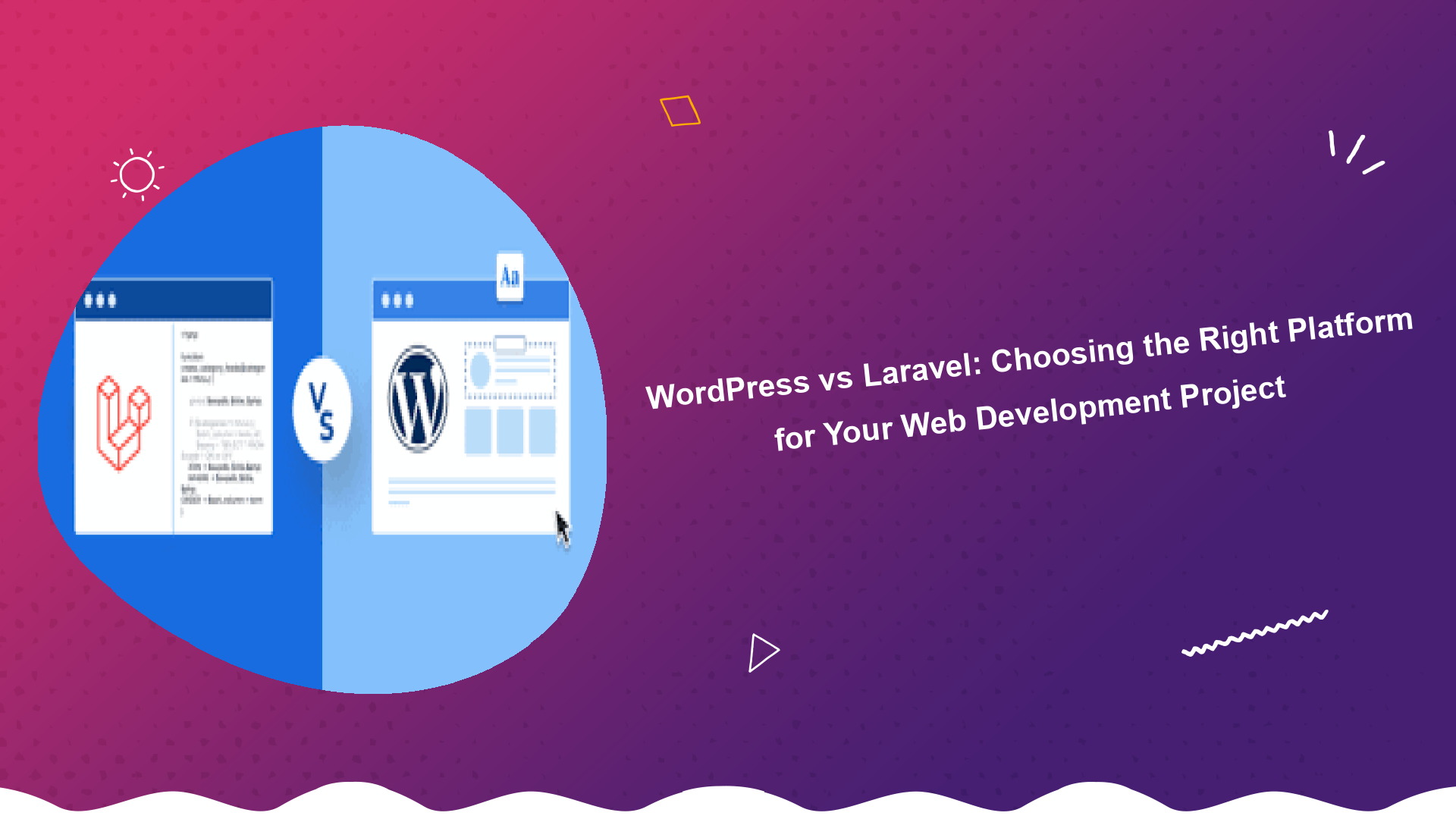
WordPress vs Laravel: Picking the Perfect Platform for Your Web Development Project
Choosing the right platform for your web development project is crucial for its success. Two popular options are WordPress and Laravel, each with its own strengths and weaknesses. This comprehensive guide will explore the key differences between WordPress and Laravel, helping you decide which platform is the better fit for your specific needs.
WordPress is a content management system (CMS) that powers a significant portion of the internet. Laravel, on the other hand, is a PHP framework designed for building custom web applications. Understanding their core functionalities is the first step in making an informed decision. If you’re relatively new to PHP, consider exploring PHP for Beginners: Your Step-by-Step Guide to Coding Success for a foundational understanding.
What is WordPress?
WordPress is a user-friendly CMS primarily used for building websites and blogs. Its strength lies in its ease of use, extensive plugin ecosystem, and a vast community providing support and resources. Its admin panel simplifies content creation and management, even for non-technical users.
Pros of WordPress:
- Ease of Use: Simple installation and a user-friendly interface.
- Extensive Plugin Ecosystem: Thousands of plugins for various functionalities, from SEO to e-commerce.
- Large Community Support: Abundant resources, tutorials, and community forums for troubleshooting.
- SEO-Friendly: Built-in SEO features and plugins to optimize your website for search engines.
- Cost-Effective: Free to use, with many free plugins and themes available.
Cons of WordPress:
- Customization Limitations: Customization can be limited without coding knowledge.
- Security Vulnerabilities: Plugins can introduce security vulnerabilities if not properly maintained.
- Performance Issues: Excessive plugins can slow down website performance.
- Limited Scalability for Complex Applications: May not be suitable for highly complex or custom applications.
What is Laravel?
Laravel is a robust PHP framework ideal for building custom web applications. It provides developers with a set of tools and features that streamline the development process, promoting clean code and maintainability. Laravel empowers you to build complex, scalable, and secure web applications from scratch.
Pros of Laravel:
- Highly Customizable: Offers complete control over the application’s architecture and functionality.
- Secure: Built-in security features like authentication, authorization, and protection against common web vulnerabilities. Consider exploring Laravel Authentication: Beginner-Friendly Guide to Secure User Management.
- Scalable: Designed for building scalable applications that can handle high traffic and large datasets.
- Clean Code: Encourages clean, maintainable, and testable code. Check out Writing Clean PHP Code: Best Practices for Readability and Maintainability
- MVC Architecture: Follows the Model-View-Controller architectural pattern, promoting separation of concerns.
Cons of Laravel:
- Steeper Learning Curve: Requires programming knowledge and familiarity with PHP frameworks.
- Development Time: Can take longer to develop compared to WordPress due to the need to build everything from scratch.
- More Complex Hosting Setup: Requires a server environment that supports PHP and Composer.
- Higher Initial Development Cost: Typically involves hiring experienced developers, leading to higher upfront costs.
WordPress vs Laravel: Key Differences
Here’s a table summarizing the key differences between WordPress and Laravel:
| Feature | WordPress | Laravel |
|---|---|---|
| Type | CMS (Content Management System) | PHP Framework |
| Ease of Use | Very easy, user-friendly interface | Steeper learning curve, requires coding knowledge |
| Customization | Limited without coding, relies on plugins and themes | Highly customizable, full control over functionality |
| Security | Requires careful plugin management and security measures | Built-in security features, more secure by default |
| Scalability | Limited scalability for complex applications | Designed for building scalable applications |
| Development Time | Faster development time | Longer development time |
| Typical Use Cases | Blogs, websites, small to medium-sized businesses, e-commerce stores | Custom web applications, complex systems, APIs, large-scale projects |
When to Choose WordPress
WordPress is the ideal choice for:
- Blogs and Content-Driven Websites
- Small to Medium-Sized Business Websites
- E-commerce Stores (with WooCommerce)
- Websites that require a quick and easy setup
- Projects with limited budgets
For example, if you’re launching a blog or a small business website where you primarily need to publish content and showcase your products or services, WordPress is likely the more efficient and cost-effective option.
When to Choose Laravel
Laravel is the ideal choice for:
- Custom Web Applications
- Complex Systems with Unique Requirements
- APIs and Backend Development
- Large-Scale Projects with High Traffic
- Projects requiring maximum security and scalability
For example, if you’re building a social media platform, a custom CRM system, or a complex e-commerce platform with unique features, Laravel provides the flexibility and control you need to build a robust and scalable solution. If you’re interested in building REST APIs, take a look at this Laravel REST API tutorial.
WordPress or Laravel for E-commerce?
Both WordPress and Laravel can be used for e-commerce, but the choice depends on the complexity of the store. WordPress with WooCommerce is suitable for simple to medium-sized online stores with standard functionality. Laravel is a better choice for complex e-commerce platforms with custom features, high traffic, and specific security requirements.
WordPress or Laravel: Which is Easier to Learn?
WordPress is significantly easier to learn, especially for beginners with no coding experience. Its user-friendly interface and vast resources make it accessible to non-technical users. Laravel requires programming knowledge and familiarity with PHP frameworks, making it more challenging for beginners. If you want to learn PHP quickly, visit PHP for Absolute Beginners: Your Step-by-Step Guide for a fast intro to php development.
Cost Comparison: WordPress vs Laravel
WordPress is generally more cost-effective for simple projects due to its free CMS and numerous free or low-cost plugins. Laravel can be more expensive due to the need to hire experienced developers and the potentially longer development time.
Security Considerations
Both platforms have their security considerations. WordPress relies heavily on plugins, which can introduce vulnerabilities if not properly maintained. Laravel, with its built-in security features and emphasis on secure coding practices, is generally considered more secure by default. Always be aware of common PHP coding errors.
Conclusion: WordPress or Laravel – The Right Choice for Your Project
The best platform between WordPress and Laravel depends on your project’s specific requirements. WordPress excels in ease of use and content management, making it ideal for blogs, websites, and small to medium-sized businesses. Laravel shines in building custom web applications, complex systems, and large-scale projects that require maximum flexibility, security, and scalability. Carefully consider your project’s goals, technical resources, and budget before making a decision. Before starting a laravel project, you should check out these must know laravel packages.
For more in-depth information on web development topics, be sure to explore our Web Development category.
To deepen your knowledge, refer to these external resources: