
Introduction to WordPress Multisite
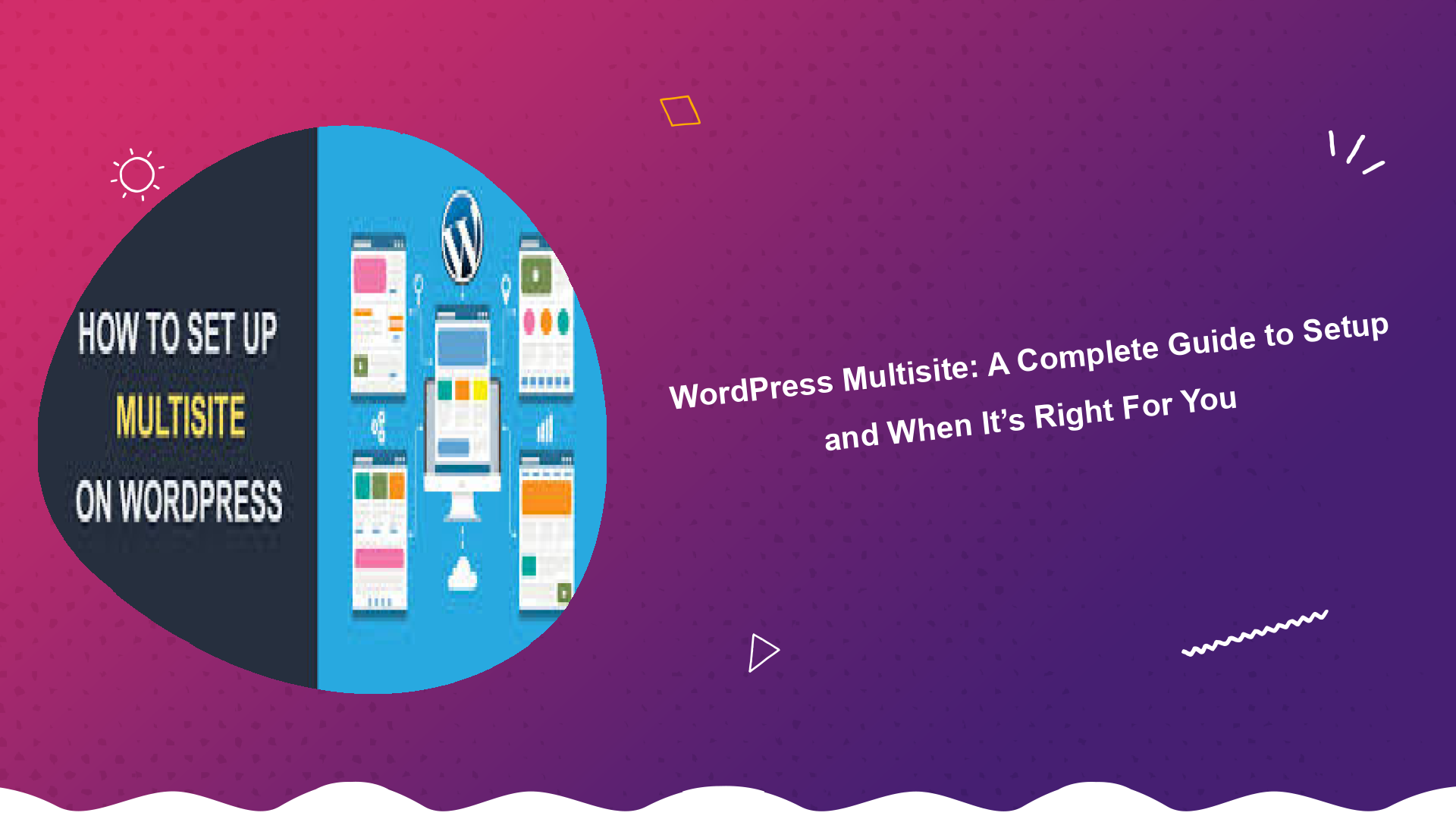
WordPress is a powerful and versatile platform used by millions for creating websites, from simple blogs to complex e-commerce platforms. But what if you need to manage multiple WordPress sites? That’s where WordPress Multisite comes in. This guide will provide you with a complete overview of WordPress Multisite, covering everything from setting it up to understanding when it’s the right solution for your needs.
WordPress Multisite, also known as a WordPress network, allows you to run and manage multiple WordPress websites from a single WordPress installation. This can streamline administrative tasks, simplify updates, and conserve server resources. However, it’s not always the ideal choice, so let’s delve into when you should consider using it.
What is WordPress Multisite?
At its core, WordPress Multisite is a feature that allows you to create a network of websites under a single WordPress installation. Imagine having one central dashboard to manage all your websites, users, themes, and plugins. This is the power of Multisite. It’s like having a mini-hosting environment within your existing WordPress setup. WordPress offers excellent features for managing your site’s media, pages, and overall organization.
Key Features of WordPress Multisite:
- Centralized Management: Manage themes, plugins, and updates from a single dashboard.
- Shared Resources: Share server resources like storage and bandwidth across all sites.
- User Management: Easily create and manage users across the entire network.
- Separate Sites: Each site within the network functions independently, with its own content and settings.
When is WordPress Multisite the Right Choice?
WordPress Multisite isn’t a one-size-fits-all solution. It’s best suited for specific scenarios. Here are some situations where it shines:
1. Managing Multiple Related Websites
If you need to manage multiple websites that share a similar purpose or brand, Multisite can be incredibly efficient. For instance, a university might use it to manage websites for different departments, or a company might use it for different product lines.
2. Creating a Network of Blogs or Membership Sites
Multisite is perfect for creating a network of blogs or membership sites where users can create their own sub-sites. Think of platforms like WordPress.com, where users can easily create their own blogs.
3. Managing Client Websites (with Considerations)
While Multisite can be used to manage client websites, it requires careful consideration. You’ll need to ensure that the network is properly configured and that each client site is adequately secured. In some cases, separate WordPress installations might be a better option for security and isolation. Also, consider the considerations around wordpress website design toronto, as the multisite setup may limit design flexibility.
4. Managing a Franchise Network
For franchise businesses, each location can have its own website, while the overall brand maintains control and consistency. Multisite allows individual franchisees to manage their local content while adhering to the overall brand guidelines.
When is WordPress Multisite NOT the Right Choice?
Despite its benefits, WordPress Multisite isn’t always the best option. Consider these situations where it might not be suitable:
1. Unrelated Websites
If you’re managing completely unrelated websites with different purposes and branding, Multisite might add unnecessary complexity. Separate WordPress installations offer better isolation and flexibility.
2. Complex Plugin Compatibility
Some plugins may not be fully compatible with Multisite, which can limit functionality. Always check plugin compatibility before committing to Multisite.
3. Security Concerns
While Multisite can be secure, a vulnerability in one site can potentially affect the entire network. You need robust WordPress website security best practices to protect your network.
Setting Up WordPress Multisite: A Step-by-Step Guide
Setting up WordPress Multisite involves a few key steps. Before you begin, make sure you have a WordPress installation ready and backed up.
Step 1: Back Up Your WordPress Site
Before making any changes to your WordPress installation, it’s crucial to create a backup. This will allow you to restore your site if anything goes wrong.
Step 2: Enable Multisite in wp-config.php
Open your `wp-config.php` file and add the following line of code above the line that says `/ That’s all, stop editing! Happy publishing. /`:
define( 'WP_ALLOW_MULTISITE', true );Step 3: Access the Network Setup Screen
Log in to your WordPress dashboard and navigate to Tools > Network Setup. You’ll see a warning message recommending that you disable all plugins before proceeding. Follow this recommendation.
Step 4: Choose Subdomains or Subdirectories
You’ll be prompted to choose whether you want to use subdomains or subdirectories for your network sites. If your WordPress installation is older than a month, you’ll only be able to use subdomains. If it’s newer, you’ll have the option to choose either.
- Subdomains: Each site will have a subdomain like `site1.example.com`.
- Subdirectories: Each site will have a subdirectory like `example.com/site1`.
Step 5: Configure Network Details
Enter your network title and admin email address. WordPress will then provide you with code snippets to add to your `wp-config.php` and `.htaccess` files.
Step 6: Update wp-config.php and .htaccess
Carefully copy and paste the provided code snippets into your `wp-config.php` and `.htaccess` files. Make sure to replace any existing WordPress rewrite rules in your `.htaccess` file with the new ones provided.
wp-config.php Example:
define('MULTISITE', true);
define('SUBDOMAIN_INSTALL', true);
define('DOMAIN_CURRENT_SITE', 'example.com');
define('PATH_CURRENT_SITE', '/');
define('SITE_ID_CURRENT_SITE', 1);
define('BLOG_ID_CURRENT_SITE', 1);
.htaccess Example:
RewriteEngine On
RewriteRule . - [E=HTTP_AUTHORIZATION:%{HTTP:Authorization}]
RewriteBase /
RewriteRule ^index.php$ - [L]

# add a trailing slash to /wp-admin
RewriteRule ^wp-admin$ wp-admin/ [R=301,L]

RewriteCond %{REQUEST_FILENAME} -f [OR]
RewriteCond %{REQUEST_FILENAME} -d
RewriteRule ^ - [L]
RewriteRule ^(wp-(content|admin|includes).) $1 [L]
RewriteRule ^(.*.php)$ $1 [L]
RewriteRule . index.php [L]
Step 7: Log In Again
Log out of your WordPress dashboard and log back in. You’ll now see a new “My Sites” menu in the admin bar. This menu gives you access to the Network Admin dashboard.
Managing Your WordPress Multisite Network
Once your network is set up, you can start managing your sites, users, themes, and plugins from the Network Admin dashboard.
1. Adding New Sites
To add a new site, navigate to Sites > Add New in the Network Admin dashboard. You’ll need to provide a site address, site title, and admin email address.
2. Managing Themes and Plugins
You can install and activate themes and plugins for the entire network or for individual sites. Network-activated themes and plugins will be available to all sites, while site-specific themes and plugins can be managed by individual site admins. Consider using a custom WordPress theme development tutorial to create a theme specifically tailored for your multisite needs.
3. Managing Users
You can create and manage users for the entire network from the Users section in the Network Admin dashboard. You can assign users to specific sites and grant them different roles and permissions.
Domain Mapping in WordPress Multisite
Domain mapping allows you to assign custom domain names to individual sites in your Multisite network. This means that instead of using subdomains or subdirectories, each site can have its own unique domain name.
Setting Up Domain Mapping
Setting up domain mapping involves a few extra steps, including configuring your DNS settings and using a domain mapping plugin.
- Install a Domain Mapping Plugin: There are several domain mapping plugins available for WordPress Multisite. Choose one that suits your needs and install it on your network.
- Configure DNS Settings: Point your domain name to your server’s IP address.
- Map Domains to Sites: Use the domain mapping plugin to map your domains to the corresponding sites in your network.
Optimizing WordPress Multisite for Performance
Running a Multisite network can put a strain on your server resources. Optimizing your network for performance is crucial for ensuring a smooth user experience.
1. Caching
Implement caching to reduce server load and improve page load times. Use a caching plugin like WP Super Cache or W3 Total Cache.
2. Content Delivery Network (CDN)
Use a CDN to distribute your content across multiple servers, reducing latency and improving load times for users around the world.
3. Optimize Images
Optimize images to reduce file sizes without sacrificing quality. Use an image optimization plugin or service.
4. Database Optimization
Regularly optimize your database to remove unnecessary data and improve query performance. Consider implementing WordPress speed optimization without plugins where possible, to reduce plugin bloat.
Securing Your WordPress Multisite Network
Security is paramount when managing a Multisite network. A vulnerability in one site can potentially compromise the entire network.
1. Strong Passwords
Enforce the use of strong passwords for all users in the network.
2. Regular Updates
Keep your WordPress core, themes, and plugins updated to the latest versions. Regular updates often include security patches that address known vulnerabilities. You can find a lot more articles on WordPress for other maintenance tasks.
3. Security Plugins
Install a security plugin to provide additional protection against common threats. Consider plugins like Wordfence or Sucuri Security.
4. Regular Backups
Maintain regular backups of your entire network. This will allow you to restore your site in case of a security breach or other disaster.
Troubleshooting Common WordPress Multisite Errors
Even with careful planning and setup, you might encounter some common errors when running a WordPress Multisite network.
1. The “Error Establishing a Database Connection” Error
This error indicates a problem with your database connection. Check your database credentials in your `wp-config.php` file and ensure that your database server is running.
2. The “White Screen of Death” Error
The “White Screen of Death” can be caused by a variety of issues, including plugin conflicts, theme errors, or memory limits. Try disabling plugins one by one to identify the culprit.
3. Plugin Compatibility Issues
Some plugins may not be fully compatible with Multisite. Check the plugin documentation or contact the plugin developer for assistance.
Alternatives to WordPress Multisite
If WordPress Multisite isn’t the right fit for your needs, consider these alternatives:
1. Separate WordPress Installations
The simplest alternative is to create separate WordPress installations for each website. This provides maximum isolation and flexibility, but it also requires more management overhead.
2. Managed WordPress Hosting
Managed WordPress hosting providers often offer tools and features for managing multiple WordPress sites from a single dashboard. This can be a good option if you want to avoid the complexities of Multisite.
Conclusion
WordPress Multisite can be a powerful tool for managing multiple WordPress websites from a single installation. By understanding its benefits, limitations, and setup process, you can determine whether it’s the right solution for your needs. Remember to consider factors like plugin compatibility, security, and performance when making your decision. Also, you can find all the guides on our Guide Page.