
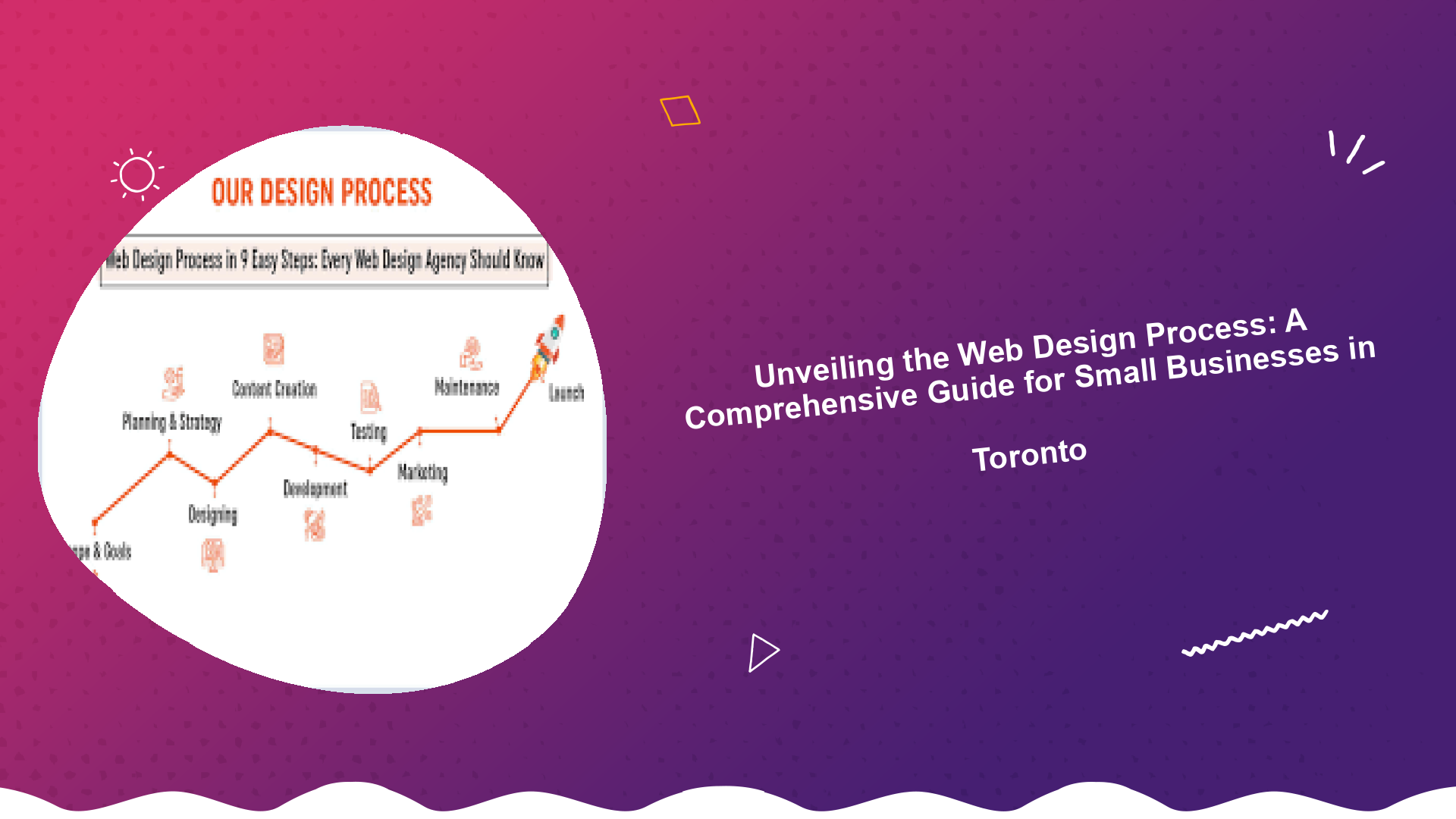
For any small business in Toronto looking to thrive in today’s digital landscape, a compelling and functional website is no longer a luxury—it’s a necessity. But for many entrepreneurs, the question of ‘how does the web design process work for small businesses in Toronto?’ can seem daunting. It’s a journey that involves more than just aesthetics; it’s about strategy, user experience, technical execution, and continuous optimization. Understanding the typical web design workflow for Toronto companies empowers you to make informed decisions, ensuring your investment translates into tangible business growth.
This comprehensive guide aims to demystify the entire web design process, breaking it down into manageable stages. From the initial spark of an idea to the grand launch and beyond, we’ll walk you through each crucial step involved in understanding website creation for small businesses Toronto. Whether you’re a startup looking to establish your first online presence or an existing firm seeking a redesign, grasping these stages will provide clarity and confidence as you embark on this exciting web design journey for small firms in Toronto. We’ll explore everything from planning and design to development, testing, and what happens post-launch, emphasizing why a structured approach is vital for success in the competitive Toronto market.
The Initial Spark: Understanding Your Vision & Goals
Every successful website begins with a clear understanding of its purpose. This foundational phase of the small business web design process is critical for laying a solid groundwork, ensuring the final product aligns perfectly with your business objectives and resonates with your target audience. It’s where the abstract idea begins to take shape, guided by strategic thinking and collaborative discussions.
Discovery Call & Consultation
The very first step in the web design process for small businesses Toronto often involves an in-depth discovery call or consultation. This is your opportunity to share your business story, vision, and aspirations with your web design partner. During this initial meeting, a skilled Toronto web design agency will ask pertinent questions to gather a comprehensive understanding of your operations, your products or services, and what truly makes your business unique. It’s a two-way conversation where you articulate your needs, and the design team begins to envision how a website can meet them.
- Understanding Your Business: What industry are you in? What problems do you solve for your customers?
- Identifying Target Audience: Who are you trying to reach? What are their demographics, needs, and online behaviors?
- Preliminary Idea Exchange: Discussing initial concepts, preferred styles, and any existing brand guidelines.
Defining Project Scope & Objectives
Once your web design partner has a good grasp of your business, the next stage involves clearly defining the project’s scope and objectives. This is a crucial part of the process of building a website for small business Toronto, as it sets expectations and boundaries for the entire project. What specific goals do you want your website to achieve? Is it primarily for lead generation, e-commerce sales, brand awareness, or providing information? Each objective will influence the design, features, and overall strategy.
- SMART Goals: Establishing Specific, Measurable, Achievable, Relevant, and Time-bound objectives for the website.
- Key Performance Indicators (KPIs): Determining how success will be measured (e.g., website traffic, conversion rates, time on page).
- Feature Prioritization: Deciding which functionalities are essential (e.g., contact forms, online booking, blog, e-commerce capabilities).
Research & Competitor Analysis
To ensure your website stands out in the bustling Toronto market, comprehensive research and competitor analysis are indispensable. This step provides valuable insights into industry best practices, market trends, and what your competitors are doing well—or not so well. It helps to identify opportunities for differentiation and ensures your website is strategically positioned to attract your ideal customers. This aspect is vital for Toronto Web Design, as local market nuances can significantly impact strategy.
- Industry Benchmarking: Studying successful websites within your niche, both locally and globally.
- Competitor Strengths & Weaknesses: Analyzing what works for your rivals and identifying areas where you can innovate or perform better.
- Audience Insights: Deep diving into user behavior, pain points, and preferences to tailor the website experience.
Crafting the Blueprint: Strategy & Planning
With a clear vision and defined objectives, the web design process small businesses Toronto moves into the planning stage. This is where the strategic blueprint for your website is meticulously crafted, focusing on user experience (UX) and overall structure. It’s akin to an architect drawing plans before construction begins, ensuring every element has its place and purpose.
Information Architecture & Sitemap Creation
Information Architecture (IA) is about organizing and structuring your website’s content in a logical and intuitive way. Sitemap creation is the tangible outcome of this process, providing a visual representation of all the pages on your website and how they connect. A well-planned IA ensures that visitors can easily find the information they need, enhancing their experience and improving navigation, which is key for any effective Toronto small business website development.
- Content Grouping: Categorizing content into main sections and subsections.
- User Flow Mapping: Designing pathways users will take to complete specific tasks on your site.
- Logical Hierarchy: Ensuring a clear and consistent navigation structure that makes sense to visitors.
Wireframing: The Skeletal Structure
Wireframing is the process of creating a basic, black-and-white layout of your website pages, focusing purely on functionality, content hierarchy, and user interface elements, without any design elements like colours or images. Think of it as the skeletal structure of your website. This step helps visualize the placement of text, images, buttons, and other interactive elements, ensuring optimal user experience before any visual design is applied. It helps in explaining web design steps for small firms Toronto in a clear, structural manner.
- Layout Planning: Determining the positioning of various page components.
- Feature Placement: Identifying where forms, calls-to-action, and navigation will reside.
- User Journey Optimization: Ensuring a smooth and intuitive path for visitors.
Content Strategy & Planning
Content is king, and a robust content strategy is essential for attracting and engaging your target audience. This stage involves planning what content will be created, for which pages, and how it will support your overall business objectives and SEO efforts. It’s not just about what you say, but how you say it, and where you say it. This also ties into how web designers work with small businesses Toronto, as content creation often requires collaboration between the business owner and the design team.
- Keyword Research Integration: Identifying relevant keywords to target for SEO.
- Content Creation Guidelines: Establishing tone of voice, style, and messaging.
- Call-to-Action (CTA) Development: Crafting compelling CTAs to guide user behaviour.
Choosing the Right Platform (WordPress, Shopify, etc.)
Selecting the appropriate Content Management System (CMS) or e-commerce platform is a critical decision in the web design process for small businesses Toronto. The choice depends on your specific needs, scalability requirements, and budget. For many small businesses, WordPress is a popular choice due to its flexibility, vast ecosystem of plugins, and user-friendliness, making it suitable for everything from simple informational sites to complex e-commerce platforms. Other options like Shopify are ideal for dedicated online stores.
- WordPress: Ideal for flexibility, blogs, and custom functionality.
- Shopify: Best for dedicated e-commerce businesses requiring robust sales features.
- Other Platforms: Considering custom builds or niche-specific platforms for unique requirements.
Bringing Ideas to Life: Design & Development Phases
With the strategic blueprint in hand, the web design process small businesses Toronto transitions into the creative and technical execution phases. This is where the wireframes and content strategy evolve into a visually appealing and fully functional website. It’s a blend of artistry and engineering, ensuring both form and function are perfectly balanced.
Visual Design & Mockups (UI/UX)
This is where your website truly starts to come to life visually. The UI (User Interface) designer will translate the wireframes into high-fidelity mockups, incorporating your brand’s colours, typography, imagery, and overall aesthetic. UX (User Experience) principles are paramount during this stage, ensuring the design is not only beautiful but also intuitive, easy to navigate, and engaging for visitors. Understanding usability is crucial for a successful site, as detailed by Nielsen Norman Group’s introduction to usability.
- Brand Integration: Applying your logo, brand colours, and fonts consistently.
- Layout & Aesthetics: Designing the visual flow and appeal of each page.
- User Experience Focus: Ensuring intuitive navigation, clear calls-to-action, and a seamless journey for the user.
Client Feedback & Revisions
The web design process is highly collaborative. Once the initial visual mockups are ready, they are presented to you for review and feedback. This iterative process allows you to provide input, suggest changes, and ensure the design aligns with your vision. Your web design partner will then make the necessary revisions, ensuring the final design truly reflects your brand and meets your expectations. This is a critical stage in the typical web design workflow for Toronto companies, ensuring client satisfaction.
- Scheduled Review Meetings: Dedicated sessions to discuss the design.
- Constructive Feedback: Providing clear, actionable comments on the mockups.
- Iterative Improvements: Working together to refine the design until it’s perfect.
Front-End Development (What visitors see)
Front-end development involves transforming the approved visual mockups into a functional, interactive website using coding languages like HTML, CSS, and JavaScript. This is the part of the website that users directly interact with in their browsers. A skilled developer ensures that all design elements, animations, and interactive features work flawlessly, creating a smooth and engaging user experience for any small business in Toronto.
- HTML Structure: Building the foundational elements and content of each page.
- CSS Styling: Applying the visual design, colours, and typography to match the mockups.
- JavaScript Interactivity: Implementing dynamic features, animations, and user interactions.
Back-End Development (Behind the scenes functionality)
Back-end development focuses on the server-side of the website, handling databases, server logic, and integrations that power the site’s functionality. This includes setting up content management systems (like WordPress), e-commerce functionalities, user authentication, and data storage. While not visible to the user, the back-end is the engine that drives the entire website, making sure everything works seamlessly. This is a vital stage in the stages of web design project for startups Toronto, especially for complex features.
- Database Management: Storing and organizing website content, user data, and product information.
- Server-Side Logic: Developing the code that handles requests from the front-end, processing data, and interacting with databases.
- API Integrations: Connecting with third-party services like payment gateways, CRM systems, or marketing automation tools.
Integrating Essential Features (SEO, Analytics, Forms)
During the development phase, essential features are integrated to ensure the website is not just functional but also effective in achieving its business goals. This includes incorporating SEO best practices directly into the code structure and content, setting up analytics tools to track website performance, and implementing contact forms or booking systems to facilitate customer interaction. This step ensures that the process of building a website for small business Toronto is complete and ready for marketing.
- On-Page SEO Elements: Optimizing meta tags, headings, image alt text, and URL structures for search engines.
- Google Analytics Setup: Integrating tracking codes to monitor website traffic, user behaviour, and conversions.
- Contact Forms & CTAs: Implementing functional and user-friendly forms to capture leads and encourage interaction.
Rigorous Testing & Quality Assurance
Before your website goes live, it undergoes a meticulous testing and quality assurance (QA) phase. This critical step ensures that every aspect of the site functions flawlessly across various devices and browsers, is secure, and provides an optimal user experience. Skipping this stage can lead to a multitude of issues post-launch, impacting your brand reputation and bottom line. Thorough testing is a cornerstone of a successful web design project steps for local Toronto businesses.
Functionality Testing (Forms, buttons, links)
Functionality testing involves rigorously checking every interactive element on the website to ensure it works as intended. This includes submitting contact forms, testing all buttons and links, verifying search functionality, and ensuring dynamic features like sliders or galleries operate without glitches. Every click, tap, and submission should lead to the expected outcome.
- Form Submissions: Testing all fields, validation, and submission processes.
- Navigation & Links: Ensuring all internal and external links are working correctly.
- Interactive Elements: Verifying sliders, carousels, pop-ups, and other dynamic features.
Responsiveness Across Devices
In an era where a significant portion of web traffic comes from mobile devices, ensuring your website is fully responsive is non-negotiable. This means the site’s layout and design should automatically adapt and display optimally on desktops, laptops, tablets, and smartphones. Responsive testing confirms that your website offers a seamless and enjoyable experience regardless of the screen size, which is a key part of Toronto small business website development.
- Mobile-First Check: Testing the site’s appearance and functionality on smaller screens first.
- Tablet & Desktop Views: Ensuring proper layout, image scaling, and text readability across all device types.
- Touchscreen Functionality: Verifying that interactive elements are easy to use with touch gestures.
Browser Compatibility Checks
Different web browsers can interpret code slightly differently, potentially leading to inconsistencies in how your website appears or functions. Browser compatibility testing involves checking the website’s performance and display across major browsers like Chrome, Firefox, Safari, and Edge. This ensures a consistent experience for all your visitors, regardless of their browser choice, making it an easy to follow web design journey Toronto.
- Major Browser Testing: Verifying display and functionality on the most popular web browsers.
- Version Checks: Testing on various versions of these browsers for broader compatibility.
Performance & Speed Optimization
Website speed is crucial for user experience and SEO. Slow-loading websites can lead to high bounce rates and negatively impact search engine rankings. Performance testing identifies bottlenecks and areas for optimization, such as image compression, code minification, and server response times. Tools like Google PageSpeed Insights are invaluable for this stage, providing actionable recommendations to enhance your site’s loading speed.
- Load Time Analysis: Measuring how quickly pages load and identifying slow elements.
- Image Optimization: Compressing images without sacrificing quality.
- Code Minification: Reducing the size of HTML, CSS, and JavaScript files.
Security Audits
Website security is paramount, especially for small businesses handling sensitive customer data or processing online transactions. A thorough security audit identifies vulnerabilities that could be exploited by malicious actors. This includes checking for weak points in the code, ensuring proper server configurations, and recommending security measures like SSL certificates and firewalls. Protecting your website and your customers’ data is an integral part of understanding web design workflow Toronto.
- Vulnerability Scanning: Identifying potential security flaws in the code and server.
- SSL Certificate Verification: Ensuring your site uses HTTPS for secure data transmission.
- Data Protection Compliance: Adhering to relevant data privacy regulations.
Accessibility Review
Web accessibility ensures that people with disabilities can perceive, understand, navigate, and interact with your website. This includes optimizing for screen readers, providing alternative text for images, ensuring keyboard navigability, and maintaining sufficient colour contrast. An accessibility review aligns your website with guidelines like those from the W3C Web Accessibility Initiative, expanding your audience and demonstrating your commitment to inclusivity.
- WCAG Compliance: Checking adherence to Web Content Accessibility Guidelines.
- Keyboard Navigation: Ensuring all interactive elements can be accessed without a mouse.
- Screen Reader Compatibility: Verifying content is understandable for users with visual impairments.
Launch & Beyond: Deployment & Post-Launch Support
Once your website has passed all testing phases and you’ve given your final approval, it’s time for the exciting moment: launch! However, the web design process small businesses Toronto doesn’t end there. Post-launch activities are crucial for monitoring performance, maintaining security, and continually improving your online presence to ensure it delivers ongoing value to your business.
Website Launch
The launch involves making your website publicly accessible on the internet. This typically includes transferring all files from a development server to your live hosting environment, configuring domain names, and running final checks to ensure everything is operating smoothly. It’s a precise process, often scheduled during off-peak hours to minimize any potential disruption.
- Domain & Hosting Configuration: Ensuring your website is correctly linked to your domain name and hosted efficiently.
- Final QA Check: A last-minute review of all functionalities immediately post-launch.
Post-Launch Monitoring & Analytics Setup
After launch, continuous monitoring is essential. Setting up and regularly reviewing analytics tools like Google Analytics allows you to track key metrics such as website traffic, user behaviour, conversion rates, and the effectiveness of your marketing campaigns. This data provides invaluable insights into how your website is performing and where further improvements can be made. This is how web design works for local businesses after deployment, continually optimizing.
- Google Analytics Integration: Monitoring visitor data, traffic sources, and user engagement.
- Conversion Tracking: Setting up goals to measure specific actions like form submissions or purchases.
- Performance Monitoring: Keeping an eye on site speed and uptime to ensure a consistent user experience.
Ongoing Maintenance & Updates
A website is a living entity that requires regular maintenance to remain secure, functional, and up-to-date. This includes software updates (for CMS platforms like WordPress), security patches, content updates, and database backups. Proactive maintenance prevents issues, enhances security, and ensures your website continues to perform optimally, delivering consistent results for your Toronto small business website development.
- CMS & Plugin Updates: Regularly updating WordPress core, themes, and plugins.
- Security Patches: Applying necessary updates to protect against vulnerabilities.
- Content Updates: Keeping your website fresh with new information, blog posts, and offers.
SEO Optimization & Digital Marketing Strategy
Launching your website is just the beginning of your online journey. Ongoing SEO optimization is crucial to improve your visibility in search engine results, driving organic traffic to your site. This, combined with a broader digital marketing strategy—including social media marketing, email campaigns, and paid advertising—will help you reach a wider audience and achieve your business goals. This sustained effort is what truly makes a website a powerful asset for small businesses in Toronto.
- Keyword Monitoring: Tracking keyword performance and identifying new opportunities.
- Content Marketing: Regularly publishing high-quality, relevant content to attract visitors.
- Link Building: Acquiring backlinks from authoritative websites to improve search engine ranking.
Why a Local Toronto Web Design Agency Makes a Difference
When considering the web design process for small businesses Toronto, many entrepreneurs weigh the options between a local agency and a remote freelancer. While both have their merits, choosing a local Toronto web design agency often provides distinct advantages that can significantly impact the success of your project and your overall business growth. Their proximity and intimate knowledge of the local market are invaluable.
Understanding the Local Market
A Toronto-based web design agency possesses an intrinsic understanding of the local market, its demographics, consumer behaviour, and competitive landscape. This localized insight allows them to craft a website that not only looks great but is also strategically tailored to resonate with your target audience within the GTA. They understand local trends, seasonality, and the specific needs of Toronto businesses, which is a key advantage in any Toronto small business website development project.
- Local SEO Expertise: Optimizing your site to rank higher in local search results.
- Cultural Nuances: Designing content and visuals that appeal specifically to the Toronto demographic.
- Competitor Awareness: A deep understanding of what local competitors are doing and how to differentiate your business.
Personalized Support and Communication
Working with a local team means easier face-to-face meetings, quicker communication, and a more personalized approach. This direct interaction can foster a stronger working relationship, allowing for clearer communication of your vision and immediate feedback on design and development stages. This level of personalized support can be a game-changer for entrepreneurs looking for an easy to follow web design journey Toronto, especially if they are new to the digital space.
- Direct Interaction: In-person meetings for discovery, reviews, and strategic planning.
- Responsive Communication: Easier to get quick answers and resolve issues.
- Trust & Accountability: Building a stronger rapport with a team you can meet and connect with.
Value for Your Investment
While some might perceive local agencies as more expensive, the value they provide often outweighs the initial cost. Their expertise, strategic approach, and personalized service can lead to a more effective, higher-performing website that delivers a significant return on investment. They focus on delivering solutions that truly benefit your business, rather than just building a website. When it comes to small business web design, investing wisely upfront can save you considerable time and money in the long run.
- Strategic Partnership: More than just developers, they act as consultants for your online presence.
- Quality & Reliability: A higher standard of work and ongoing support.
- Long-Term Growth: Building a foundation for sustainable digital success.
Navigating Costs and Customization
Many small businesses in Toronto are concerned about the cost of a custom website. While templates offer a quick fix, a tailored approach, even for a small business, ensures your site uniquely reflects your brand and meets specific objectives. Understanding the web design process for small businesses Toronto helps you appreciate where your investment goes. When you’re ready to take the next step, don’t hesitate to request a custom website design Toronto quote. It’s an investment in your business’s future.
Conclusion: Your Digital Future Starts Here
The web design process for small businesses in Toronto, while intricate, is a thoroughly rewarding journey that culminates in a powerful digital asset for your brand. From the initial discovery call and strategic planning to meticulous design, robust development, comprehensive testing, and post-launch support, each stage plays a vital role in creating a website that not only looks professional but also drives real business results.
By understanding web design workflow Toronto, you gain valuable insights into how web designers work with small businesses Toronto, transforming your ideas into a functional and effective online presence. Embracing these steps in web design for startups ensures that your website is not just another URL, but a dynamic tool for growth, customer engagement, and market expansion.
Investing in a well-executed web design process for small businesses Toronto is an investment in your future. It’s about building a digital storefront that operates 24/7, attracts new customers, and solidifies your brand’s position in the competitive Toronto landscape. Don’t let the complexity deter you; instead, let this guide empower you to embark on your web design project with confidence, knowing each step of the process is designed to bring your vision to life and propel your business forward.