
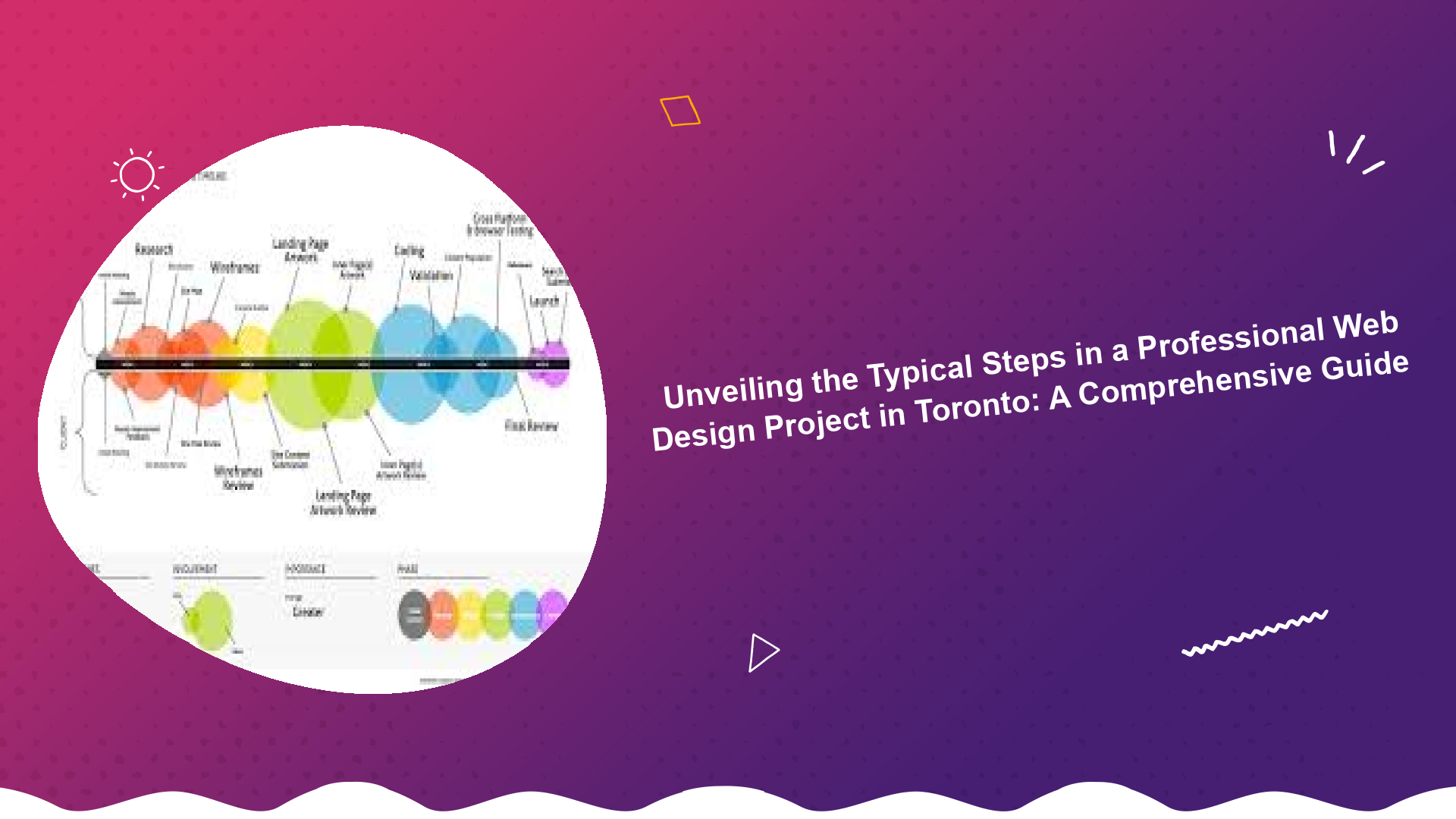
Introduction: Navigating the Digital Landscape of Toronto
The digital landscape in Toronto is fiercely competitive, making a robust online presence not just an advantage, but a necessity for businesses aiming to thrive. However, simply having a website isn’t enough; it needs to be strategically designed, highly functional, and optimized for both users and search engines. This brings us to a crucial question for many Toronto entrepreneurs and established companies: what are the typical steps in a professional web design project in Toronto? Understanding the professional web design process Toronto agencies follow is paramount for clients to set expectations, collaborate effectively, and ultimately achieve their digital goals.
This comprehensive guide will meticulously walk you through each phase of a professional web design project, from initial conceptualization to post-launch maintenance, ensuring you’re fully equipped with the knowledge to navigate your next digital venture. By deconstructing the key steps in a professional website design in Toronto, we aim to demystify the journey and highlight the value a structured approach brings to achieving a high-performing website. Whether you’re a startup understanding web design project stages for startups or an established enterprise seeking to revamp your online presence, knowing what happens during a web design project is the first step towards success. For any serious business looking for impactful results, understanding the professional web design for Toronto businesses is critical from the outset.
Phase 1: Discovery & Planning – The Foundation of Success
The initial phase of any professional web design project is arguably the most critical. It’s where the blueprint for the entire website is laid, ensuring alignment between the client’s vision, business objectives, and the technical execution. This phase answers fundamental questions and establishes a clear direction, preventing costly rework down the line. It’s the starting point of any successful web design project steps and essential for establishing the entire web development process guide.
Initial Consultation & Goal Setting
A professional web design process in Toronto always kicks off with an in-depth consultation. This isn’t just a casual chat; it’s a strategic meeting where your agency seeks to understand your business inside out. Key discussion points include:
- Your business model, products, and services.
- Your primary goals for the new website (e.g., lead generation, e-commerce sales, brand awareness, information dissemination).
- Your target audience and their demographics, psychographics, and online behaviour.
- Your unique selling propositions (USPs) and what differentiates you from competitors.
- Your current online challenges and opportunities.
- Your budget and timeline expectations, including how long does each web design step take to completion.
This stage is about clearly defining what success looks like for your new website. Agencies will often provide a detailed breakdown of web design phases during this initial interaction, setting realistic expectations for the client web design journey.
Audience Research & Competitor Analysis
Once your goals are established, the agency delves into research. Understanding your target audience is crucial for designing a user-centric website. This involves identifying their pain points, preferences, and how they interact with websites in your industry. Concurrently, a thorough competitor analysis helps identify what works well for others, what doesn’t, and opportunities to differentiate your website. This research informs design choices, content strategy, and overall user experience, making it an essential stage for a new website build.
Sitemap & Content Strategy Development
With a solid understanding of your business and audience, the next step is to structure the website. A sitemap is a hierarchical diagram that maps out all the pages of your website and how they connect. It defines the site’s navigation and overall information architecture. Simultaneously, a content strategy is developed. This isn’t just about writing text; it’s about planning what kind of content (text, images, videos, infographics) will reside on each page, its purpose, tone, and how it will engage your target audience. It also considers search engine optimization (SEO) from the outset, ensuring your content is discoverable. This planning helps ensure a guide to successful web design project completion.
Technology Stack & Platform Selection
Finally, in the planning phase, decisions are made regarding the underlying technology. This includes choosing a content management system (CMS) like WordPress, Shopify, or a custom-built solution, selecting hosting providers, and considering any necessary integrations (e.g., CRM, email marketing, payment gateways). The choice often balances scalability, security, ease of use, and budget. For instance, many businesses in Toronto weigh the pros and cons of WordPress website cost versus custom design, a decision often influenced by their specific needs and desired level of customization. This is a crucial element of the overall web development process guide.
Phase 2: Design & Wireframing – Bringing Concepts to Life
With the strategic foundation firmly in place, the project moves into the creative realm. This phase focuses on the visual and interactive elements of the website, translating abstract ideas into tangible designs. It’s where your Toronto web design phases truly begin to take visual form.
Wireframing & User Experience (UX) Design
Before any colours or fancy graphics are applied, designers create wireframes. These are skeletal, black-and-white layouts that illustrate the core structure of each page, including where content blocks, images, navigation, and calls-to-action will be placed. Wireframing is fundamental to User Experience (UX) design, focusing on usability, accessibility, and intuitive navigation. The goal is to create a seamless and enjoyable experience for visitors, ensuring they can easily find what they’re looking for and accomplish their tasks. This is where the website’s functionality truly begins to take shape, outlining the typical milestones in a Toronto web project.
User Interface (UI) Design & Visual Mockups
Once wireframes are approved, the project transitions into User Interface (UI) design. This is where the aesthetic appeal comes into play. Designers apply branding elements, colour schemes, typography, imagery, and interactive elements to create visually appealing mockups. These high-fidelity designs represent exactly how the website will look and feel. The focus is on creating a beautiful, consistent, and engaging visual identity that resonates with your brand and target audience. This stage provides clients with a clear vision of their future website, addressing what to expect in a web design engagement.
Client Review & Feedback Loop
Throughout the design phase, client involvement is paramount. The agency will present wireframes and mockups for your review, seeking your feedback and input. This iterative process ensures that the design aligns with your expectations and business objectives. Professional agencies in Toronto prioritize open communication and aim for collaborative refinement, making sure every design decision is justified and mutually agreed upon. This feedback loop is essential for a guide to successful web design project completion and understanding how web design works collaboratively.
Branding Integration
A professional website design doesn’t just look good; it acts as an extension of your brand. During UI design, careful attention is paid to integrating your brand’s existing identity – logos, brand guidelines, tone of voice – into the website’s aesthetic. If you don’t have established branding, many agencies can also offer branding services as part of their comprehensive package, ensuring a cohesive look and feel across all your digital touchpoints. This ensures that the web design project steps are aligned with your overall brand strategy, reinforcing your brand identity in the Toronto market.
Phase 3: Development & Coding – Building the Digital Backbone
With the designs finalized and approved, the project moves into the technical implementation phase: Web Development. This is where designers hand over their visual mockups to skilled developers who transform static images into a dynamic, functional website using various programming languages and technologies. This intricate stage is where the detailed breakdown of web design phases truly comes to life in code, demonstrating the practical application of the web development process guide.
Front-End Development
Front-end developers are responsible for everything a user sees and interacts with directly in their browser. They take the approved UI designs and translate them into code using languages like HTML (for structure), CSS (for styling), and JavaScript (for interactivity and dynamic elements). This ensures the website is not only visually appealing but also highly responsive, providing a consistent experience across different devices and screen sizes. This is a crucial part of how web design works from a technical perspective, making the design accessible to all users.
Back-End Development
While front-end development focuses on the client-side, back-end development deals with the server-side of the website. This includes building and maintaining the database, server, and application logic that powers the website’s functionality. For content management systems like WordPress, back-end developers might customize themes, plugins, and create custom functionalities. This ensures that features like user accounts, e-commerce transactions, content updates, and data storage work flawlessly and securely. This deep dive into web development process guide aspects ensures a robust backend for your Toronto web design phases.
Content Integration
Once the framework of the website is built, the content—text, images, videos, and other media—is populated onto the respective pages. This often involves careful formatting and optimization to ensure it displays correctly, loads quickly, and is SEO-friendly. Agencies may assist with content migration from an old site or work closely with your content team to ensure all new content is seamlessly integrated. This critical step fills the structure created in earlier web design project steps, breathing life into the visual design.
Responsive Design Implementation
In today’s multi-device world, a website must look and function perfectly on desktops, laptops, tablets, and smartphones. Responsive design is not an optional extra; it’s a fundamental requirement. Developers implement techniques to ensure the website layout and content adapt fluidly to different screen sizes and orientations, providing an optimal user experience regardless of the device. This focus on adaptability is a cornerstone of modern professional web design process Toronto agencies prioritize.
Phase 4: Testing & Quality Assurance (QA) – Ensuring Flawless Performance
Before a website goes live, it undergoes rigorous testing to identify and rectify any bugs, errors, or performance issues. This Quality Assurance (QA) phase is critical for ensuring the website is fully functional, secure, and provides an excellent user experience. This crucial step in the professional web design process Toronto helps avoid post-launch headaches and ensures that the client web design journey concludes with a reliable product.
Functionality Testing
Every interactive element on the website is thoroughly tested. This includes:
- All links (internal and external) are working correctly.
- Forms (contact forms, subscription forms) submit data accurately.
- Buttons and calls-to-action are responsive.
- E-commerce functionalities (shopping cart, checkout process, payment gateways) are secure and smooth.
- User accounts and login systems function as intended.
This meticulous checking ensures that what happens during a web design project leads to a fully operational site, free from common user frustrations.
Cross-Browser & Device Compatibility Testing
Websites behave differently across various web browsers (Chrome, Firefox, Safari, Edge) and devices (different screen sizes, operating systems). QA specialists test the website extensively to ensure consistent appearance and functionality across all major browsers and devices. This guarantees that every visitor, regardless of their setup, has a positive experience. This is a key part of explaining web design workflow to clients, demonstrating due diligence.
Performance Optimization
Website speed is crucial for user experience and SEO. During this phase, the agency optimizes images, code, and server responses to minimize loading times. Tools like Google PageSpeed Insights are used to identify areas for improvement, ensuring your website is fast and efficient. This focus on performance is vital for any professional web design project in a competitive market like Toronto.
Security Audits
Website security is paramount, especially for e-commerce sites or those handling sensitive user data. Security audits are conducted to identify and patch potential vulnerabilities, ensuring the website is protected against common cyber threats. This includes checking for secure data transmission (SSL certificates), robust login protocols, and other security best practices. This step is non-negotiable for a truly professional website design in Toronto.
Phase 5: Launch & Deployment – The Grand Unveiling
After countless hours of planning, designing, developing, and testing, the moment arrives to take your website live. The launch phase is a carefully orchestrated process that ensures a smooth transition from development environment to the public internet. This essential stage for a new website build marks a significant milestone in the web design project steps.
Final Client Approval
Before anything goes live, the client receives a final opportunity to review the complete, polished website in a staging environment. This is the last chance to request minor adjustments or provide final sign-off, ensuring total satisfaction with the outcome of the professional web design process Toronto has delivered.
Domain Configuration & Hosting Setup
The agency will assist with or handle the technical aspects of connecting your domain name to the new website’s hosting server. This involves configuring DNS settings and ensuring all server parameters are correctly set up for optimal performance and security. This technical expertise is crucial for a seamless launch and understanding the latter parts of the web development process guide.
Website Launch
With all checks complete and client approval secured, the website is officially deployed to the live server, making it accessible to the public. This typically involves moving all files from the staging environment to the production server. The agency will monitor the site closely immediately after launch to catch any unforeseen issues. This signifies the completion of the core web design project steps and the beginning of your website’s public life.
Post-Launch Checks
Even after launch, the work isn’t entirely done. A series of post-launch checks are performed to ensure everything is operating as expected. This includes:
- Verifying all links are still working on the live site.
- Checking that forms are submitting correctly.
- Monitoring website speed and performance.
- Confirming search engine indexing (e.g., submitting sitemaps to Google Search Console).
- Ensuring analytics tracking (e.g., Google Analytics) is properly implemented to monitor website traffic and user behaviour.
These immediate checks are vital for a smooth transition and for addressing how long does each web design step take, especially in the final stages.
Phase 6: Post-Launch & Maintenance – Sustained Digital Growth
A professional web design project doesn’t end at launch; it evolves. The digital world is constantly changing, and a website needs ongoing attention to remain effective, secure, and competitive. This final phase focuses on sustaining and growing your online presence. This is an often-overlooked but crucial part of the web design project steps, ensuring long-term success for Toronto web design phases.
Ongoing Maintenance & Updates
Websites require regular maintenance to ensure optimal performance and security. This includes:
- Software updates (CMS, plugins, themes).
- Security monitoring and patching.
- Database optimization.
- Regular backups to prevent data loss.
Many professional web design process Toronto agencies offer comprehensive maintenance packages to handle these critical tasks, allowing you to focus on your core business. This proactive approach ensures your investment continues to deliver value.
SEO Optimization & Analytics Monitoring
Launch is just the beginning for SEO. Ongoing optimization, including content updates, technical SEO adjustments, and backlink building, is essential for improving search engine rankings and attracting organic traffic. Regularly monitoring website analytics (traffic sources, user behaviour, conversion rates) provides invaluable insights for continuous improvement. This data-driven approach helps refine strategies and ensures your website remains a powerful tool for your business in Toronto. For more insights into technical SEO best practices, consider exploring resources from Google Developers.
Training & Support
For websites built on a CMS like WordPress, agencies often provide training to empower clients to manage and update their own content. Comprehensive support is also typically available to address any questions, issues, or new requirements that may arise post-launch. This ensures clients feel confident and supported in managing their new digital asset, understanding explaining web design workflow to clients in practical terms.
Future Enhancements & Scalability
As your business grows and market trends shift, your website may need further enhancements. A professional web design project is often viewed as an iterative process, with plans for future phases or expansions. A good agency designs with scalability in mind, making it easier to add new features, pages, or functionalities down the line without a complete overhaul. This forward-thinking approach is a hallmark of a robust web development process guide and truly professional web design process Toronto agencies offer.
Why a Structured Approach Matters for Toronto Businesses
Navigating the digital landscape of Toronto requires more than just a visually appealing website; it demands a strategic, structured approach to web design. Engaging in a comprehensive professional web design process Toronto agencies advocate offers numerous advantages:
- Clarity & Transparency: Each phase ensures clear communication and mutual understanding of goals, progress, and expectations, vital for any client web design journey.
- Efficiency & Cost-Effectiveness: A structured process minimizes rework, identifies issues early, and keeps the project on track and within budget.
- Superior User Experience: Focusing on UX/UI design from the outset leads to websites that are intuitive, engaging, and convert visitors into customers, directly addressing how web design works for conversion.
- SEO & Performance Ready: Integrating SEO and performance optimization throughout the process ensures your site is discoverable and fast from day one.
- Scalability & Future-Proofing: Thoughtful planning and development create a robust foundation that can evolve with your business.
- Risk Mitigation: Thorough testing and security measures reduce the likelihood of costly technical issues or security breaches.
For Toronto businesses, investing in a well-defined web design project ensures not just a website, but a powerful digital asset that drives growth and achieves measurable results. The meticulous web design project steps contribute directly to business success. To delve deeper into the importance of design standards, you might find valuable insights on W3C (World Wide Web Consortium).
Choosing the Right Toronto Web Design Partner
Selecting a web design agency that follows these typical steps in a professional web design project in Toronto is crucial. Look for a partner who emphasizes collaboration, transparency, and a proven methodology. A reputable local Toronto web design agency will guide you through each phase, providing expertise and ensuring your vision is brought to life effectively. They will explain web design workflow to clients, ensuring you’re always in the loop. Understanding these phases empowers you to ask the right questions and make informed decisions throughout your web design journey. For cutting-edge insights into user experience research, consider exploring publications from the Nielsen Norman Group.
Conclusion
Embarking on a professional web design project is a significant undertaking, but by understanding the typical steps in a professional web design project in Toronto, you can approach it with confidence and clarity. From the initial discovery and meticulous planning to the intricate design, robust development, rigorous testing, and strategic launch, each phase plays a vital role in crafting a successful online presence. Post-launch, ongoing maintenance and optimization ensure your website remains a powerful, evolving tool for your business.
For businesses seeking to thrive in Toronto’s dynamic market, embracing this structured approach to web design isn’t merely an option; it’s a strategic imperative. A well-executed professional web design process Toronto brings forth is an investment that yields long-term dividends, establishing a strong digital foundation for sustained growth and success. By following these web design project steps, you’re not just building a website; you’re building a future-proof digital asset.