
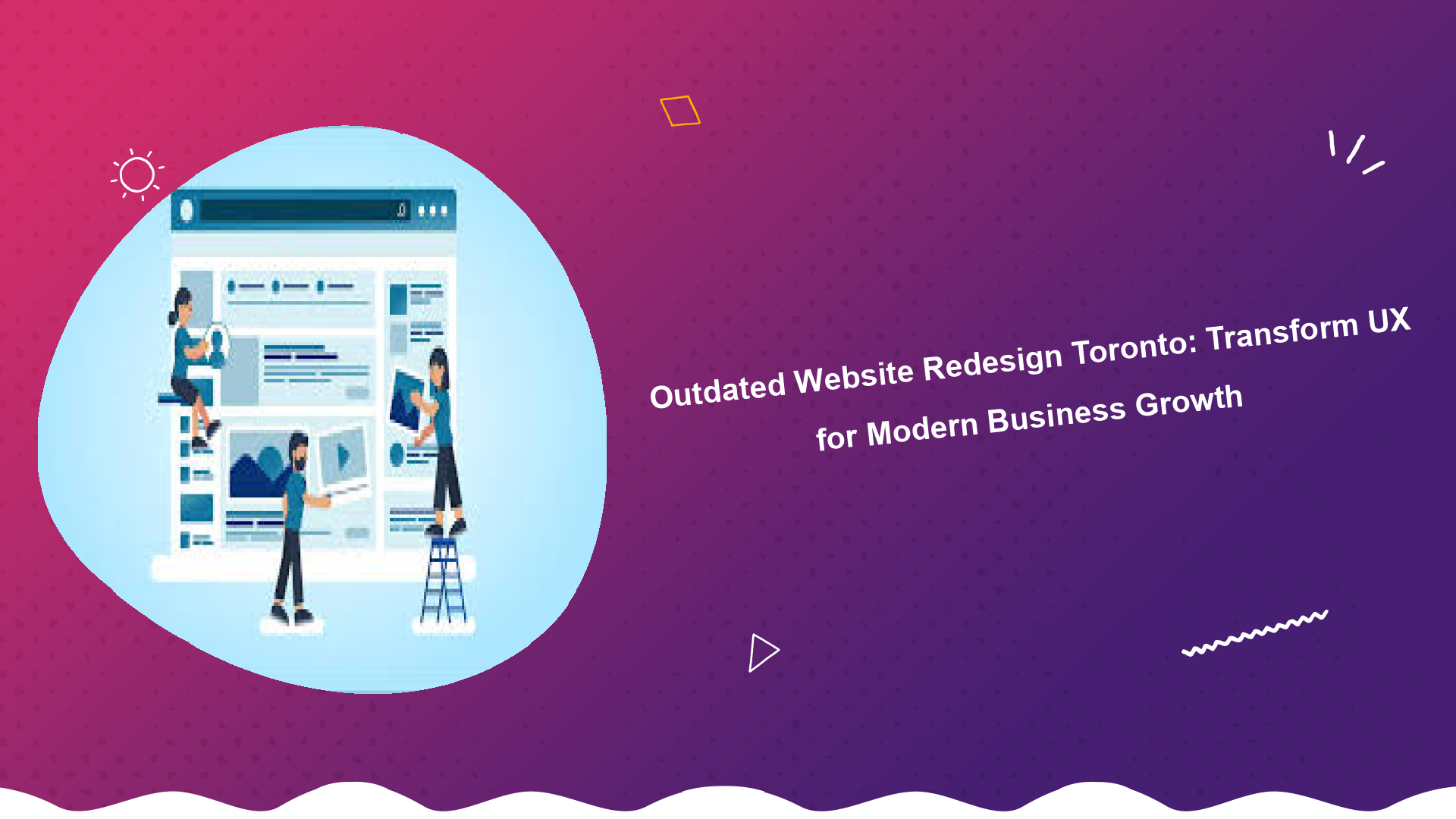
Is Your Outdated Website Driving Toronto Customers Away? It’s Time for a Redesign!
In the bustling digital landscape of Toronto, your website isn’t just a digital storefront; it’s often the first, and sometimes only, impression potential customers have of your business. If you’re running an operation with an outdated website redesign Toronto is crucial for staying competitive. An aging site can actively deter visitors, leading to lost opportunities and a decline in your market presence. The need for an outdated website redesign Toronto for improved user experience cannot be overstated in today’s fast-paced market.
Many Toronto businesses unknowingly suffer from the pitfalls of a neglected online presence. Slow loading times, non-responsive designs, confusing navigation, and visually unappealing layouts are just some of the symptoms of an outdated website. These issues directly impact User Experience (UX), which in turn affects your conversion rates, SEO rankings, and ultimately, your bottom line. This comprehensive guide will explore why an outdated website is detrimental, the profound benefits of website redesign, and how a strategic approach to a modern website design Toronto can revitalize your online presence and foster sustainable business growth.
The Silent Killer: How an Outdated Website Harms Your Toronto Business
An outdated website redesign Toronto isn’t merely about aesthetics; it’s about functionality, security, and audience engagement. Let’s delve into the specific ways an old website can be a severe impediment to your business:
1. Poor User Experience (UX) and High Bounce Rates
Modern users expect seamless, intuitive experiences. If your site is difficult to navigate, loads slowly, or isn’t optimized for mobile devices, visitors will quickly become frustrated and leave. This leads to high bounce rates, signaling to search engines that your site isn’t valuable, harming your SEO.
2. Lack of Mobile Responsiveness
With a significant portion of web traffic now originating from mobile devices, a non-responsive website is a critical failure. Google prioritizes mobile-friendly sites, meaning an outdated, desktop-only design will rank lower in search results, making it harder for potential customers to find you. Investing in responsive custom web design Toronto is no longer optional, it’s essential.
3. Negative Brand Perception
Your website is a direct reflection of your brand. An outdated, unprofessional site can convey a message of irrelevance or unreliability, eroding trust with your audience. A website refresh for UX is vital to maintaining a positive brand image.
4. Security Vulnerabilities
Older websites often run on outdated platforms or content management systems (CMS) that are more susceptible to cyber-attacks. This puts your data, and more importantly, your customers’ data, at risk, potentially leading to devastating data breaches and reputational damage.
5. SEO Disadvantages
Search engine algorithms constantly evolve, favouring sites that offer fast loading times, mobile responsiveness, secure browsing (HTTPS), and fresh, relevant content. An outdated website redesign Toronto is essential to meet these criteria, otherwise, your site will struggle to rank, making you invisible to potential customers searching for your services.
6. Missed Conversion Opportunities
If your website’s calls to action (CTAs) are unclear, forms are buggy, or the purchase process is cumbersome, you’re likely losing sales. A modern, user friendly website design Toronto focuses on optimizing conversion paths to turn visitors into leads and customers.
The Transformative Power of an Outdated Website Redesign Toronto
Undertaking an outdated website redesign Toronto is a strategic investment that yields significant returns. It’s not just about aesthetics; it’s about rebuilding your online foundation for future growth. Here are the key benefits:
1. Enhanced User Experience (UX)
A redesign provides an opportunity to create a truly user-centric website. This means intuitive navigation, fast loading speeds, clear calls to action, and engaging content, all contributing to a delightful experience that keeps users on your site longer and encourages them to convert. Learning the steps to improve website UX Toronto is critical to success.
2. Improved SEO Rankings
Modern Web Design incorporates SEO best practices from the ground up. This includes clean code, faster page load times, mobile responsiveness, and optimized content structures, all of which are crucial factors for higher rankings on Google and other search engines. This leads to better visibility and more organic traffic.
3. Increased Conversion Rates
By streamlining user journeys, optimizing forms, and ensuring clear calls to action, a redesigned website can significantly boost your conversion rates. Whether it’s signing up for a newsletter, downloading an ebook, or making a purchase, a well-designed site makes it easier for users to complete desired actions. For more insights on this, you can explore studies on how website design impacts conversion rates.
4. Stronger Brand Identity
A modern website design Toronto allows you to refresh your brand image, ensuring it reflects your current values, services, and target audience. A professional, contemporary design instills confidence and credibility, helping you stand out in the competitive Toronto market.
5. Future-Proof Technology
Redesigns often involve migrating to newer, more robust CMS platforms and incorporating scalable technologies. This ensures your website is built on a stable foundation that can adapt to future technological advancements and business growth without requiring another major overhaul soon.
6. Better Mobile Performance
A redesigned site is inherently responsive, providing an optimal viewing experience across all devices – desktops, tablets, and smartphones. This not only satisfies user expectations but also meets Google’s mobile-first indexing requirements, crucial for SEO.
Key Elements of a Successful Outdated Website Redesign Toronto
When embarking on an outdated website redesign Toronto project, several critical components must be addressed to ensure a truly impactful transformation:
1. User Experience (UX) and User Interface (UI) Design
These are paramount. UX focuses on the overall experience a user has with your site, while UI is about the visual elements and interactivity. A successful redesign will involve user research, wireframing, and prototyping to create an intuitive, enjoyable, and efficient journey for your visitors. For fundamental principles, refer to resources like Nielsen Norman Group’s Usability 101.
2. Mobile Responsiveness
As discussed, this is non-negotiable. Your new site must seamlessly adapt to various screen sizes and orientations, providing an optimal experience whether someone is browsing on a large monitor or a smartphone. This is critical for any Toronto web design upgrade.
3. Website Speed and Performance
Slow websites kill conversions. A redesign should prioritize optimization for speed, including image compression, efficient code, server response times, and caching. Tools like Google Lighthouse can help diagnose and improve performance. Understanding Core Web Vitals, explained on web.dev, is crucial.
4. Clear Navigation and Information Architecture
Users should be able to find what they’re looking for within a few clicks. A redesign should simplify and clarify your site’s structure, ensuring logical categorization and easy access to key information.
5. Engaging Visuals and Branding
While functionality is key, aesthetics play a huge role in first impressions. A modern website design Toronto will incorporate current design trends, high-quality imagery, consistent branding, and an appealing color palette that resonates with your target audience.
6. High-Quality, SEO-Optimized Content
Content is king. A redesign offers the perfect opportunity to review, update, and optimize your website content. This includes engaging copy, relevant keywords, clear calls to action, and a content strategy that supports your SEO goals. This is also important if you’re looking for local web design for better UX and search visibility.
7. Strong Calls to Action (CTAs)
Every page should have a purpose. Your redesign must strategically place clear, compelling CTAs that guide users towards desired actions, whether it’s making a purchase, filling out a form, or contacting your business.
The Redesign Process: How to Redesign Outdated Website Toronto
An outdated website redesign Toronto is a multi-stage process that requires careful planning and execution. Here’s a general overview of the typical steps:
1. Discovery and Planning
- Goal Setting: Define clear objectives for the redesign (e.g., increase conversions by X%, improve load speed, enhance mobile experience).
- Audience Research: Understand your target users’ needs, behaviours, and pain points.
- Competitive Analysis: Evaluate competitors’ websites to identify strengths and weaknesses.
- Content Audit: Review existing content, identify what to keep, update, or discard.
- Technology Stack: Determine the best CMS, hosting, and integrations for your needs.
2. Strategy and Information Architecture
- Sitemap Creation: Develop a new, logical structure for your website.
- Wireframing: Create skeletal layouts of pages to define functionality and content placement.
- User Flow Mapping: Design the paths users will take through your site to achieve their goals.
3. Design and Prototyping
- Visual Design: Develop the aesthetic elements, including color palettes, typography, imagery, and branding.
- Mockups: Create static visual representations of key pages.
- Prototyping: Build interactive versions of the site for testing user journeys and gathering feedback.
4. Development and Implementation
- Front-end Development: Code the visual and interactive elements of the website.
- Back-end Development: Build the server-side logic, database, and integrations.
- CMS Integration: Integrate the design with your chosen content management system (e.g., WordPress).
- Content Migration: Transfer existing and new content to the redesigned site.
5. Testing and Launch
- Cross-Browser/Device Testing: Ensure compatibility across all major browsers and devices.
- Performance Testing: Optimize for speed and responsiveness.
- SEO Testing: Verify redirects, meta tags, and overall SEO health.
- User Acceptance Testing (UAT): Gather feedback from real users.
- Deployment: Launch the new website!
6. Post-Launch Optimization and Maintenance
- Monitoring: Continuously track website performance, user behaviour, and SEO metrics.
- Iterative Improvements: Make ongoing adjustments based on data and feedback.
- Security Updates: Keep software and plugins updated to prevent vulnerabilities.
Understanding the custom web design timeline Toronto can help you set realistic expectations for your project.
Choosing the Right Partner for Your Outdated Website Redesign Toronto
Finding a web design company Toronto that truly understands your needs is paramount. When seeking professional website redesign services, consider these factors:
1. Experience and Portfolio
Look for agencies with a proven track record of successful redesigns, especially for businesses in Toronto or your specific industry. Review their portfolio to assess the quality and style of their work.
2. Expertise in UX/UI and SEO
Ensure the team has strong expertise in both user experience design and search engine optimization. A beautiful site that isn’t found or doesn’t convert is a wasted investment.
3. Communication and Collaboration
A good agency will involve you throughout the process, providing regular updates and seeking your feedback. Effective communication is key to a smooth project.
4. Transparent Pricing
Ask for detailed quotes and understand what’s included. While you might be concerned about affordable website redesign Toronto cost, remember that quality is an investment. A comprehensive guide on custom web design cost Toronto can provide more clarity.
5. Post-Launch Support
A reputable firm will offer ongoing support, maintenance, and analytics reporting to ensure your new site continues to perform optimally. This helps get modern website design Toronto that stays effective.
6. Local Understanding
For a truly effective outdated website redesign Toronto, consider working with a local agency. They’ll have a better understanding of the Toronto market, local business nuances, and can offer personalized, in-person consultations. This is especially true for Toronto web design for small business needs.
Conclusion: Embrace Modernization with a Strategic Website Redesign
Don’t let an outdated website redesign Toronto hold your business back any longer. The digital landscape is constantly evolving, and your online presence must evolve with it. A strategic redesign isn’t just a facelift; it’s a fundamental reinvestment in your business’s future, designed to improve user experience website, boost SEO, enhance brand perception, and drive tangible growth.
By prioritizing user experience, mobile responsiveness, speed, and modern design principles, you can transform your website from a liability into a powerful asset. Take the leap, invest in a Toronto web design upgrade, and watch your business thrive in the competitive Toronto market. The importance of website redesign UX cannot be understated for long-term success. It’s time to give your customers the exceptional online experience they deserve and propel your business forward.