
Introduction to Content Strategy and Keyword Research
In the ever-evolving landscape of Digital Marketing, the foundation of any successful online presence is high-quality, relevant content. To ensure your content reaches the right audience, you must master the art of the Post. But how do you know what your audience is actually searching for? This is where Google steps in with its most powerful free tool: the Keyword Planner. By aligning your content strategy with data-driven insights, you can transform a simple blog post into a lead-generating machine. If you are looking to expand your knowledge, check out the latest trends in Digital Marketing to stay ahead of the curve.
Why Google Keyword Planner is Essential for Bloggers
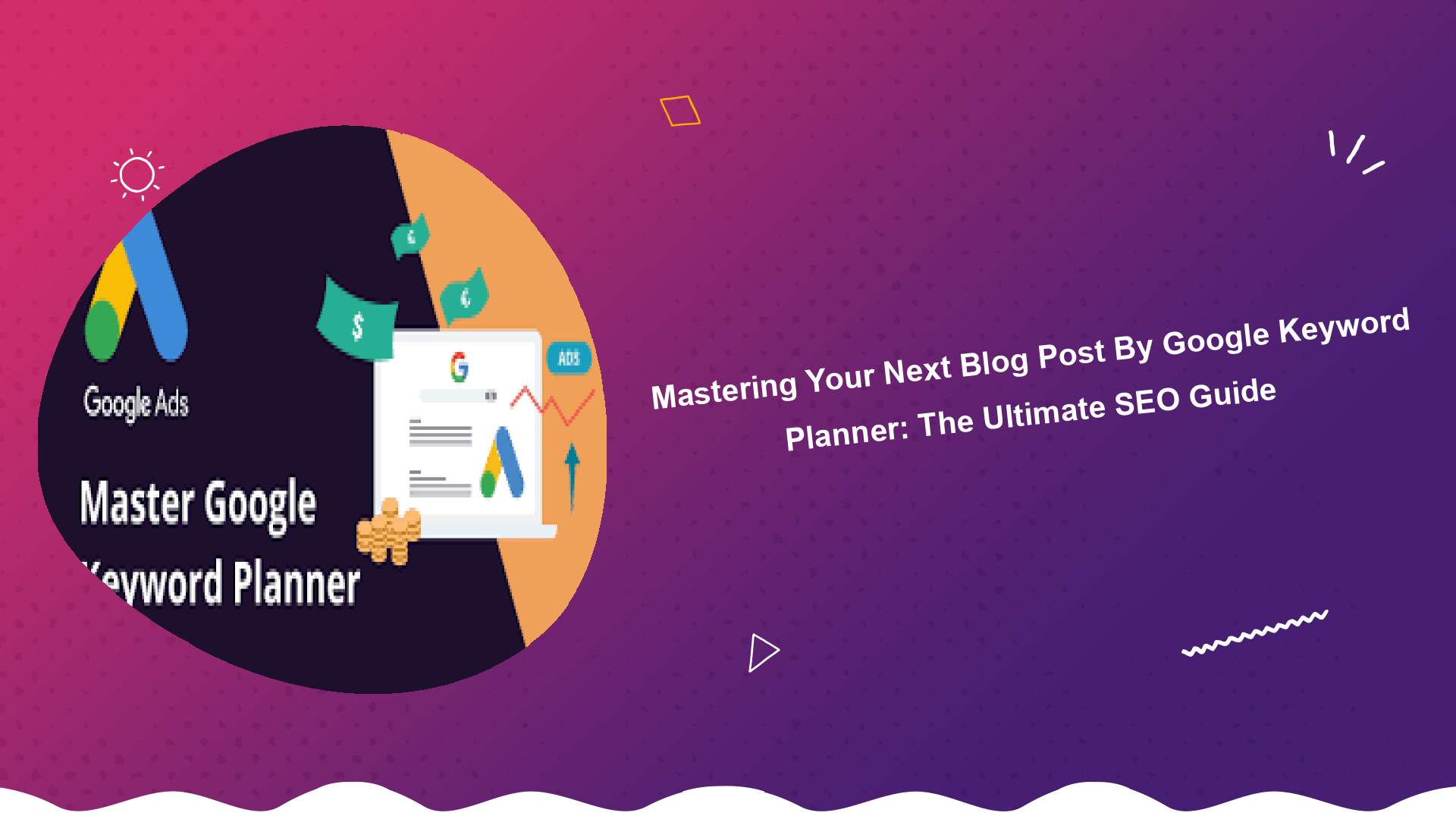
The Google Keyword Planner was originally designed for advertisers using Google Ads, but it has become an indispensable resource for SEO specialists and content creators. It provides direct access to the search data that Google collects, offering a transparent look into user behavior. When you create a Post based on these insights, you are not just guessing what people want; you are answering their specific queries. Using a Planner allows you to identify high-volume terms while avoiding high-competition traps that make it difficult for new sites to rank.
Setting Up Your Google Keyword Planner Account
Before you can optimize your Post, you need access to the tool. While it is housed within the Google Ads platform, you do not need to run an active paid campaign to use it. Simply create a Google Ads account, skip the ‘Guided Setup’ by choosing the ‘Expert Mode,’ and navigate to the ‘Tools and Settings’ menu. From there, select ‘Keyword Planner.’ This access gives you the power to analyze any Keyword you have in mind and discover new ones you might have overlooked.
The Two Main Functions of the Tool
The Planner offers two primary paths: ‘Discover new keywords’ and ‘Get search volume and forecasts.’ For most Post creation tasks, ‘Discover new keywords’ is your starting point. You can enter a broad topic, and Google will generate hundreds of related suggestions, complete with average monthly search volumes and competition levels. For a more technical deep-dive on how tools like these integrate with broader site performance, you might realize your current site is holding you back. Many businesses find that an outdated website redesign Toronto is necessary to truly capitalize on the traffic these keywords generate.
How to Find the Best Keywords for Your Post
To create a high-ranking Post, you need to look beyond just ‘search volume.’ High volume often comes with high competition. Instead, look for ‘long-tail’ keywords—phrases that are 3-5 words long. These are often easier to rank for and indicate a higher intent from the user. For instance, instead of just targeting the Keyword ‘web design,’ you might target ‘how to choose the best web design company.’ This specific approach ensures that the Google algorithm sees your content as highly relevant to a specific query.
Analyzing Competition and Bid Prices
While the ‘Top of page bid’ columns are for advertisers, they are useful for SEOs too. A high bid price usually means the Keyword has high commercial intent—meaning people searching for it are likely ready to buy. When planning your Post, balancing informative content with high-intent keywords can boost your ROI. If your business is in the GTA, finding the best web design company Toronto can help you implement these data-driven strategies into a cohesive, high-converting website structure.
Structuring Your Post for SEO Success
Once you have gathered your data from the Planner, it is time to write. Your Keyword should appear in the following places for maximum impact:
- The H1 Title Tag
- The first 100 words of the introduction
- At least two H2 or H3 subheadings
- The Meta Description
- The Image Alt Text
However, avoid ‘keyword stuffing.’ Google uses advanced Natural Language Processing (NLP) to understand context. If your Post feels forced or repetitive, it will be penalized. The goal is to provide value first and optimize second.
Using External Links for Authority
Building authority requires linking to reputable sources. When discussing search trends, linking to official documentation like the Google Keyword Planner Tool itself provides credibility. Additionally, monitoring your performance via Google Search Console is the best way to verify if your keyword strategy is working in real-time.
Advanced Keyword Planner Strategies
For those looking to take their Post to the next level, use the ‘Grouped View’ in the Planner. This organizes Keyword suggestions into themes. Instead of writing ten different short posts, you can write one comprehensive ‘Power Page’ that covers an entire theme. This signals to Google that your site is an authority on the topic. Google rewards depth and topical relevance over thin, disjointed content.
Filtering by Location and Language
The Planner allows you to filter data by specific cities or regions. If you are a local business, this is a goldmine. You can see exactly what people in your specific neighborhood are searching for. This local SEO strategy is essential for service-based businesses that want to dominate their local market. By tailoring your Post to local search trends, you significantly increase the likelihood of converting a reader into a customer.
Common Mistakes to Avoid
Many beginners make the mistake of only looking for keywords with the highest search volume. These are often dominated by massive corporations with multi-million dollar budgets. Another mistake is ignoring the ‘Keyword Difficulty’ or ‘Competition’ column. If you are a new blog, aim for ‘Low’ to ‘Medium’ competition keywords. Your Post will have a much better chance of appearing on the first page of Google results.
Maintaining Content Freshness
SEO is not a ‘set it and forget it’ task. Search trends change, and the Keyword that was popular last year might be obsolete today. Use the Planner every few months to refresh your old posts. Updating an existing Post with new data and fresh keywords is often faster and more effective than writing a brand-new one from scratch.
Conclusion
In conclusion, creating a Post by Google Keyword Planner is the most reliable way to ensure your content is seen by your target audience. By leveraging the data provided by Google, you take the guesswork out of SEO. Remember to focus on user intent, structure your content logically with H2 and H3 tags, and always prioritize providing value to your readers. Whether you are improving your Digital Marketing strategy or undergoing an outdated website redesign Toronto, a keyword-first approach will always yield the best results for your business growth.