
Introduction to Laravel Authentication
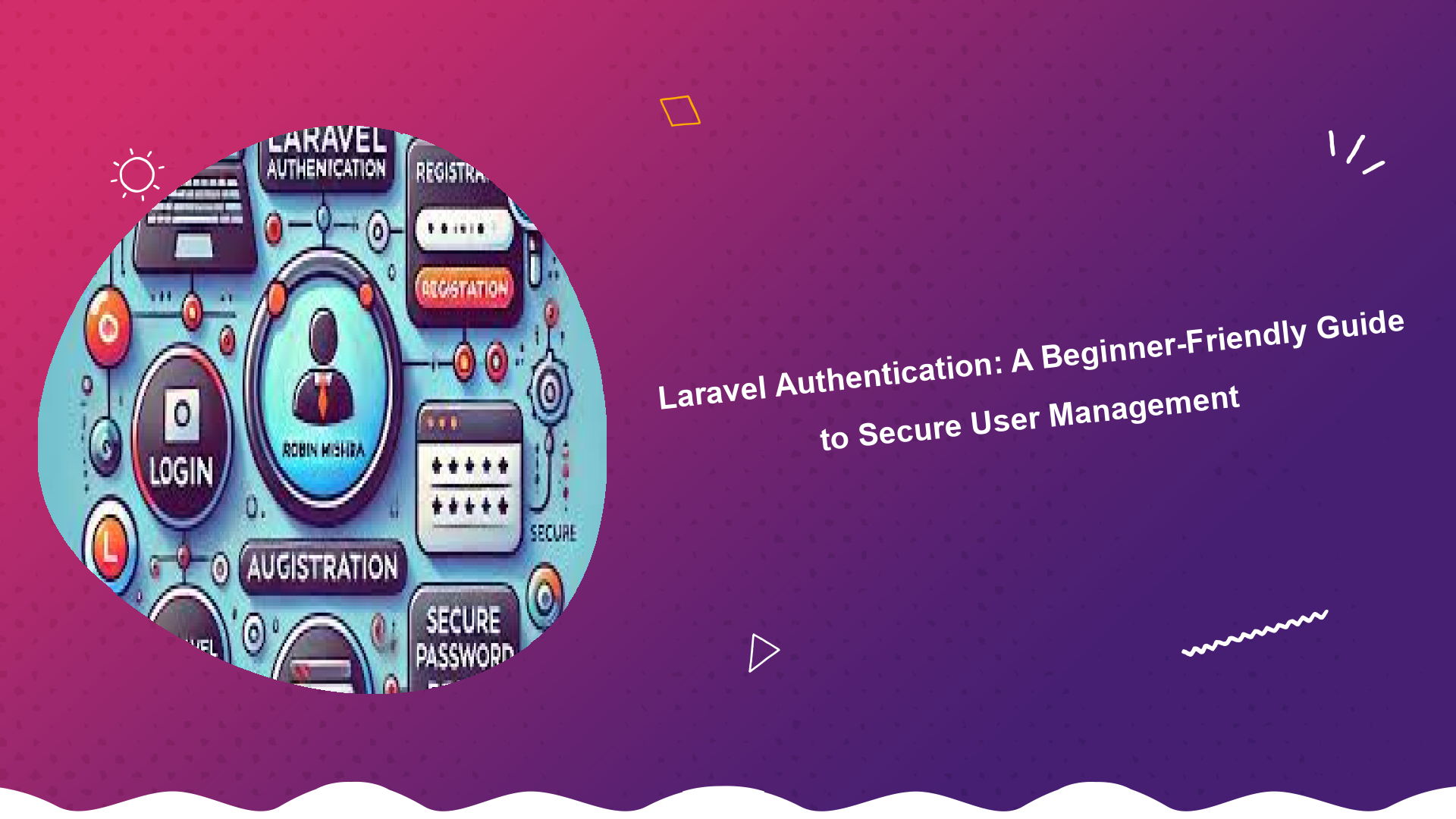
Welcome to this comprehensive guide on Laravel Authentication! If you’re new to web development or just starting with the PHP Framework, Laravel, understanding authentication can seem daunting. But don’t worry, this guide is designed for beginners, breaking down the process into easy-to-understand steps. We’ll cover the basics of Laravel Authentication, how it works, and how you can implement it in your projects to create a secure user management system.
Laravel Authentication is a crucial aspect of any web application that requires user accounts. It’s the process of verifying the identity of a user, ensuring that they are who they claim to be before granting them access to protected resources. Without proper authentication, your application is vulnerable to security threats like unauthorized access and data breaches.
This guide will walk you through everything you need to know to get started with Laravel Authentication, from setting up the authentication scaffolding to customizing the authentication process to fit your specific needs. We’ll also discuss best practices for securing your authentication system and common troubleshooting tips.
Why Use Laravel Authentication?
Laravel provides a robust and well-documented authentication system that simplifies the process of managing users and securing your application. Here are some key benefits of using Laravel’s built-in authentication features:
- Security: Laravel provides built-in protection against common security vulnerabilities like cross-site scripting (XSS) and SQL injection.
- Simplicity: Laravel’s authentication scaffolding makes it easy to set up a basic authentication system with minimal code.
- Flexibility: Laravel allows you to customize the authentication process to fit your specific needs, whether you need to use different user providers or implement custom authentication logic.
- Maintainability: Laravel’s well-structured codebase and clear documentation make it easy to maintain and update your authentication system.
Setting Up Laravel Authentication: Scaffolding
Laravel provides a convenient command that automatically generates the necessary code for setting up basic authentication. This is known as authentication scaffolding. To set up authentication scaffolding, follow these steps:
- Create a new Laravel project: If you don’t already have a Laravel project, create one using the following command:
composer create-project --prefer-dist laravel/laravel your-project-name - Install Laravel UI: Laravel UI provides the authentication scaffolding. Install it using Composer:
composer require laravel/ui - Generate the authentication scaffolding: Use the `ui` Artisan command to generate the authentication views, routes, and controllers:
php artisan ui vue --authYou can use `bootstrap` or `react` instead of `vue` if you prefer.
- Install NPM dependencies: Run the following commands to install the necessary JavaScript dependencies:
npm install npm run dev - Run database migrations: Migrate your database to create the users table:
php artisan migrate
After completing these steps, you should have a fully functional authentication system with registration, login, and password reset functionality. You can access these features by navigating to the `/register` and `/login` routes in your browser.
Understanding the Authentication Process
Let’s take a closer look at how Laravel Authentication works under the hood. When a user attempts to log in, the following steps typically occur:
- User submits login credentials: The user enters their email and password on the login form and submits it to the server.
- Credentials validation: Laravel validates the submitted credentials to ensure they meet the specified requirements.
- User retrieval: Laravel attempts to retrieve a user from the database that matches the provided email address.
- Password verification: If a user is found, Laravel uses the `Hash` facade to verify that the provided password matches the hashed password stored in the database.
- Authentication: If the password is correct, Laravel authenticates the user, creating a session and storing the user’s ID in the session.
- Redirect: The user is redirected to a protected area of the application.
Customizing Laravel Authentication
While Laravel’s authentication scaffolding provides a great starting point, you’ll often need to customize the authentication process to fit your specific needs. Here are some common customization scenarios:
Changing the User Model
By default, Laravel uses the `AppModelsUser` model for authentication. If you need to use a different model, you can configure the `providers.users.model` option in the `config/auth.php` file.
'providers' => [
    'users' => [
        'driver' => 'eloquent',
        'model' => AppModelsCustomUser::class, // Replace with your custom model
    ],
],
Adding Custom Fields to the Registration Form
You can easily add custom fields to the registration form by modifying the `resources/views/auth/register.blade.php` view and updating the `register` method in the `AppHttpControllersAuthRegisterController` class. Remember to add the new fields to the `$fillable` array in your User model to allow mass assignment.
Implementing Social Authentication
Social authentication allows users to log in to your application using their social media accounts (e.g., Facebook, Google, Twitter). There are several Laravel packages available that simplify the process of implementing social authentication, such as Socialite Providers.
Using Custom User Providers
If you need to authenticate users against a different data source (e.g., an LDAP server or a custom API), you can create a custom user provider. A user provider is responsible for retrieving user information based on the provided credentials.
Securing Your Laravel Authentication System
Security is paramount when it comes to authentication. Here are some best practices for securing your Laravel Authentication system:
- Use HTTPS: Always use HTTPS to encrypt communication between the client and the server, protecting sensitive data like passwords.
- Use strong passwords: Encourage users to choose strong, unique passwords. You can enforce password complexity requirements using validation rules.
- Hash passwords: Always hash passwords before storing them in the database. Laravel’s `Hash` facade provides a secure way to hash passwords using bcrypt or Argon2.
- Protect against brute-force attacks: Implement rate limiting to prevent attackers from repeatedly attempting to guess passwords. See this article about OWASP security measures.
- Use CSRF protection: Laravel provides built-in CSRF protection to prevent cross-site request forgery attacks.
- Sanitize user input: Always sanitize user input to prevent cross-site scripting (XSS) and SQL injection attacks. As shown in the common php coding errors article.
- Regularly update Laravel: Keep your Laravel installation up to date to ensure you have the latest security patches.
Troubleshooting Common Authentication Issues
Here are some common issues you may encounter when working with Laravel Authentication and how to resolve them:
- Incorrect credentials: Double-check that the email and password are correct. Also, ensure that the user account is active and has not been disabled.
- Password hashing issues: If you’re having trouble verifying passwords, make sure you’re using the correct hashing algorithm. Laravel’s `Hash` facade automatically uses the configured hashing algorithm.
- Session issues: If you’re experiencing session-related issues, such as users being logged out unexpectedly, check your session configuration in the `config/session.php` file.
- Database connection issues: Ensure that your database connection is configured correctly and that you can connect to the database.
Consider reviewing the best laravel packages for development to help with your project
Conclusion
Laravel Authentication is a powerful and flexible system that simplifies the process of managing users and securing your web applications. By following the steps outlined in this guide, you can quickly set up a basic authentication system and customize it to fit your specific needs. Remember to always prioritize security and follow best practices to protect your application and user data. This guide complements the information in PHP programming for absolute beginners, offering a practical example of the language’s capabilities.
Furthermore you can utilize your newly created user authentication in an API, as illustrated in this laravel rest api development tutorial