
For any ambitious small business navigating the competitive landscape of Canada’s largest city, a compelling online presence is no longer a luxury—it’s a necessity. But for many Toronto entrepreneurs, the thought of embarking on a web design project can seem daunting. What exactly is involved? How does the web design process work for small businesses in Toronto? This comprehensive guide aims to demystify the journey, breaking down each phase from initial concept to a live, converting website. We’ll explore the essential steps, key considerations, and how a strategic approach to custom web development Toronto can significantly impact your bottom line.
Understanding the intricacies of website creation guide Toronto is crucial, whether you’re a startup looking to make a splash or an established local business aiming to refresh your digital footprint. Our goal is to provide a clear roadmap, offering insights into what to expect when you decide to invest in professional web design services Toronto. From the initial brainstorming to the final launch and beyond, we’ll cover everything involved in a Toronto web design project, ensuring you’re well-equipped to make informed decisions and achieve online success.
Why a Professional Website is Non-Negotiable for Toronto Small Businesses
In a bustling metropolis like Toronto, standing out requires more than just a storefront. Your website serves as your digital storefront, accessible 24/7, providing prospective customers with their first impression of your brand. It’s the cornerstone of your digital marketing efforts and a critical tool for growth.
The Digital First Impression: Beyond the Physical
Imagine a potential customer searching for services you offer. Will they find you? What will they see? A professional, well-designed website immediately conveys credibility, trustworthiness, and a commitment to quality. Conversely, an outdated, slow, or poorly navigable site can quickly drive potential clients away, straight into the arms of your competitors. For local business web design, this first impression is amplified, as local customers often rely on online reviews and website professionalism to choose service providers or shops in their vicinity.
Reaching Your Local Toronto Audience: Hyper-Targeted Visibility
Google searches like “best coffee shop Toronto” or “plumber near me Toronto” highlight the importance of local search. A well-optimized website ensures your business appears prominently in these results, connecting you directly with customers actively looking for your products or services in the Toronto area. This targeted visibility is invaluable, transforming passive browsers into active leads. The web design process Toronto small business must integrate local SEO strategies from the outset.
Building Credibility and Trust: Your Online Portfolio
A website acts as your online portfolio, showcasing your expertise, services, testimonials, and brand story. For small businesses, particularly startups, it’s a powerful tool to build rapport and trust before a customer even walks through your door or makes a call. High-quality content, clear calls to action, and an intuitive user experience all contribute to establishing your authority and reliability.
A Hub for Sales and Service: Streamlining Operations
Beyond being an informational brochure, your website can be a powerful engine for sales and customer service. E-commerce capabilities allow you to sell products directly, online booking systems can manage appointments, and contact forms or live chat features can streamline inquiries. A modern web design sales Toronto solution can significantly boost revenue by converting visitors into paying customers and automating various aspects of your business operations.
Demystifying the Web Design Process for Toronto Small Businesses: A Step-by-Step Guide
The journey from an idea to a fully functional website involves several distinct phases. While specific steps might vary slightly between web design services Toronto, the core workflow remains consistent. This comprehensive guide to web design for local businesses breaks down the typical web design phases for Toronto small firms.
Phase 1: Discovery and Planning – Laying the Foundation
This initial stage is perhaps the most critical. It’s about understanding your business, its goals, and how the website will serve as a strategic asset. Think of it as the blueprint stage of building a house.
-
Understanding Your Business and Goals
Your web designer will spend time getting to know your business inside out. What do you do? What makes you unique? What are your short-term and long-term objectives for the website? Are you aiming for increased leads, online sales, brand awareness, or improved customer service? Clearly defining these goals is the first simple step for small business website creation Toronto.
-
Target Audience Analysis
Who are your ideal customers in Toronto? What are their demographics, needs, pain points, and online behaviors? Understanding your audience helps tailor the design, content, and user experience to resonate with them effectively.
-
Competitor Research
Analyzing your competitors’ online presence helps identify what works well, what doesn’t, and opportunities to differentiate your brand. This insight is vital for creating a website that stands out in the Toronto market.
-
Defining Scope and Strategy
Based on the above, a detailed project scope is established. This includes the number of pages, specific functionalities (e.g., e-commerce, blog, contact forms, booking systems), and the overall strategy for achieving your goals. This is where you outline what’s involved in a Toronto web design project.
-
Budget and Timeline
A realistic budget and timeline are crucial. An experienced web design agency in Toronto will provide a clear proposal outlining costs and key milestones. This ensures transparency and helps manage expectations.
Phase 2: Content Creation & Information Architecture – What to Say and How to Organize It
With a solid plan in place, the focus shifts to content—the words, images, and videos that will populate your site—and how it will be structured.
-
Crafting Compelling Copy
High-quality, SEO-friendly content is paramount. It should inform, engage, and persuade your visitors. This often involves keyword research to ensure your site ranks well for relevant Toronto-specific searches. Your content strategy is a core component of the essential web design stages for local Toronto businesses.
-
Sitemap Development
A sitemap is a hierarchical list of all pages on your website. It helps organize your content logically and ensures all necessary pages are included. This structure is vital for user navigation and search engine crawling.
-
User Experience (UX) Planning
This involves planning how users will interact with your website. What is the most intuitive path for them to find information, contact you, or make a purchase? A good UX design ensures ease of use and a positive browsing experience, which contributes significantly to your ability to improve Toronto website conversion rate.
Phase 3: Design – Bringing Your Vision to Life
This is where the visual aspect of your website takes shape, transforming plans into tangible mockups. This phase involves understanding web design workflow for Toronto startups and established businesses alike.
-
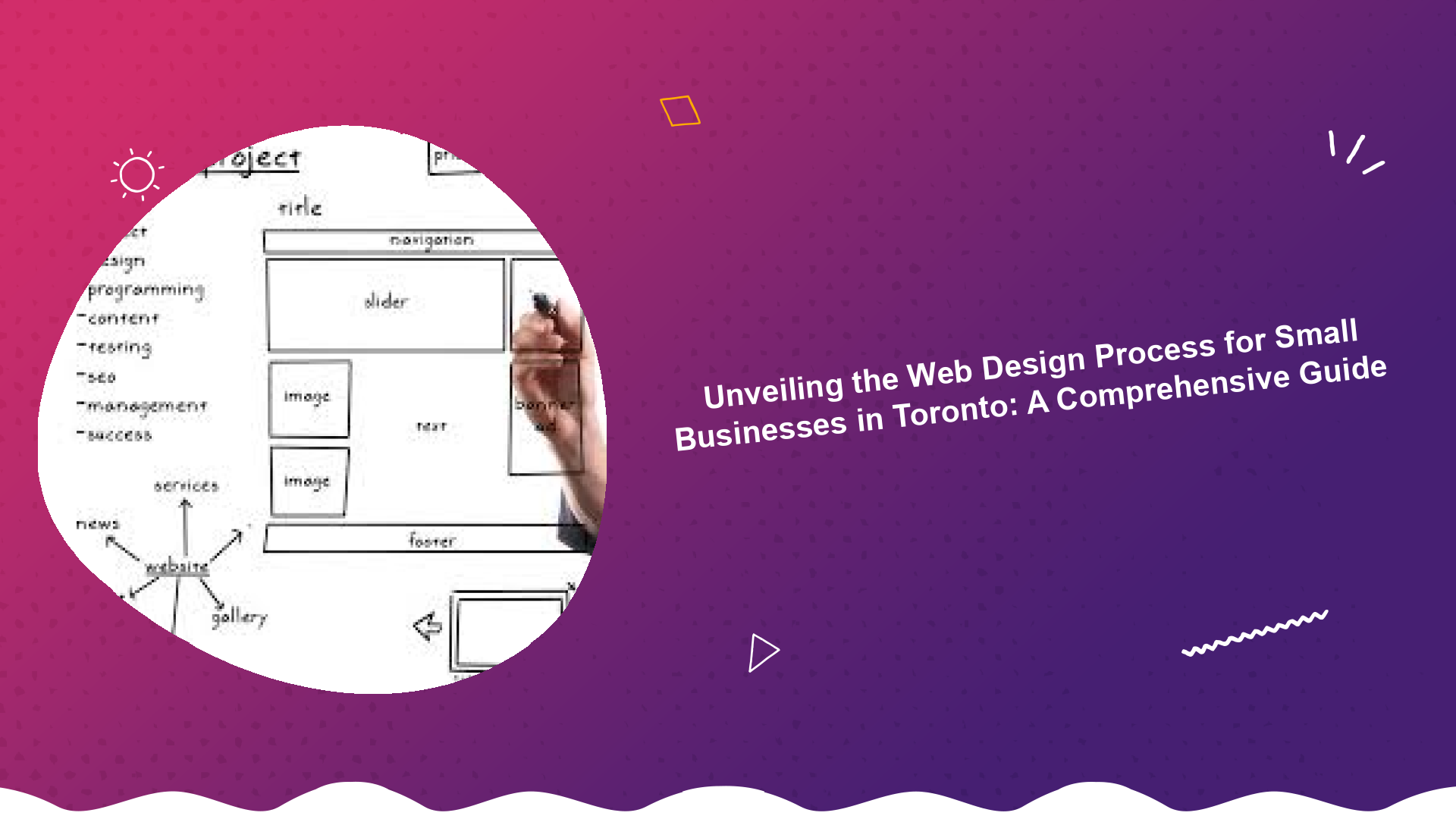
Wireframing and Mockups
Wireframes are like skeletal blueprints, outlining the layout and placement of elements on each page. Mockups then add visual details, showing you how the site will look in terms of colors, fonts, images, and branding. This allows you to visualize the design before any coding begins.
-
Visual Design & Branding
Your website’s visual elements should align with your brand identity. This includes color palettes, typography, imagery, and overall aesthetic. A professional designer ensures consistency and creates a visually appealing interface that resonates with your target audience and the Toronto market.
-
Client Feedback and Revisions
Throughout the design phase, you’ll have opportunities to review the mockups and provide feedback. This collaborative process ensures the final design meets your expectations and business objectives. This is a crucial step in demystifying website design for Toronto entrepreneurs.
Phase 4: Development – Building the Engine
Once the design is approved, developers get to work, translating the visual mockups into a functional, live website. This is the technical heart of the web design roadmap for small companies in Toronto.
-
Coding and Platform Integration
This involves writing the code (HTML, CSS, JavaScript) or integrating the design into a Content Management System (CMS) like WordPress. WordPress is a popular choice for small businesses due to its flexibility, ease of use, and vast ecosystem of plugins.
-
Mobile Responsiveness (Responsive Web Design)
A modern website must be responsive, meaning it adapts seamlessly to various screen sizes, from desktops to tablets and smartphones. Given the prevalence of mobile browsing, this is non-negotiable for a positive user experience and SEO.
-
SEO Best Practices Implementation
During development, crucial SEO elements are integrated, such as clean code, fast loading speeds, proper URL structures, meta tags, and schema markup. These technical SEO foundations are essential for getting started with web design for Toronto shops.
-
Testing and Quality Assurance
Before launch, the website undergoes rigorous testing. This includes checking for bugs, broken links, functionality across different browsers and devices, loading speeds, and overall user experience. Every aspect is meticulously reviewed to ensure a flawless user journey.
Phase 5: Launch – Your Website Goes Live!
The exciting moment arrives when your website is officially launched and made accessible to the public.
-
Final Checks
A final round of checks is performed to confirm everything is working perfectly, from forms to external links. It’s about ensuring the website is fully optimized and ready for prime time.
-
Deployment
The website files are uploaded to a web server, and the domain name is pointed to the new site. This makes your website officially live on the internet.
-
Post-Launch Monitoring
Immediately after launch, it’s crucial to monitor the website’s performance using tools like Google Analytics and Google Search Console. This helps identify any initial issues and track user behavior.
Phase 6: Post-Launch & Maintenance – Ongoing Success
A website is not a ‘set it and forget it’ asset. Ongoing maintenance and optimization are vital for its continued success and security. This highlights the importance of investing in Toronto professional web design beyond the initial build.
-
Analytics Monitoring
Regularly reviewing analytics data provides insights into user behavior, popular pages, conversion rates, and areas for improvement. This data-driven approach allows for continuous optimization.
-
Updates and Security
CMS platforms, themes, and plugins require regular updates to ensure security and compatibility. Routine backups are also essential to protect your investment.
-
SEO Refinements
SEO is an ongoing process. Regularly reviewing keyword performance, updating content, and building quality backlinks are crucial for maintaining and improving your search engine rankings, especially for competitive Toronto keywords.
-
Content Marketing
Adding fresh, relevant content (like blog posts, news updates, or new service pages) keeps your website dynamic, provides value to your audience, and signals to search engines that your site is active and authoritative.
Key Considerations for Toronto Small Businesses in the Web Design Process
When going through the web design process, Toronto small business owners should keep several specific factors in mind to ensure their investment yields maximum returns.
Local SEO Optimization: Your Toronto Gateway
Beyond general SEO, local SEO is paramount for Toronto businesses. This includes optimizing for Google My Business, ensuring your address, phone number, and opening hours are consistent across all online platforms, and targeting local keywords. A website built with local SEO in mind ensures that when someone in Etobicoke, North York, or Scarborough searches for your service, your business is a top result. Understanding typical web design phases for Toronto small firms means prioritizing local search from the start.
Mobile-First Approach: Catering to On-the-Go Toronto Customers
A significant portion of web traffic comes from mobile devices. Google also prioritizes mobile-first indexing. Your website must not only be responsive but designed with the mobile user experience in mind from the ground up. This means fast loading times, easy navigation with touch gestures, and content that’s readable on smaller screens.
User Experience (UX) and Conversion Rates: Turning Visitors into Clients
A beautiful website is great, but a website that converts is better. The UX design should guide visitors seamlessly towards your desired action, whether it’s making a purchase, filling out a contact form, or calling your business. Clear calls to action, intuitive navigation, and a user-friendly interface are critical for boosting revenue; how modern web design increases sales for Toronto small businesses is directly tied to an optimized UX.
Budgeting for an Affordable Web Design Toronto Solution
Small businesses often operate with tighter budgets. It’s important to find an agency that offers affordable web design Toronto solutions without compromising on quality. Be transparent about your budget and look for designers who can offer scalable solutions that grow with your business. Remember, an upfront investment in quality can save you money and headaches down the line.
Choosing the Right Web Design Partner: Your Strategic Ally
The success of your web design project largely depends on your choice of partner. Look for an agency with a proven track record, a portfolio that aligns with your aesthetic, and excellent communication skills. They should understand the unique challenges and opportunities for professional web design for Toronto startups and small businesses. A good partner will act as a strategic advisor, guiding you through every step of the web design process for Toronto small business.
The Tangible Benefits: How Modern Web Design Increases Sales for Toronto Small Businesses
Investing in a professional web design process for your Toronto small business yields a multitude of benefits that directly contribute to increased revenue and sustainable growth.
Enhanced Visibility and Reach
A well-optimized website significantly expands your reach beyond your physical location. Through effective SEO and local search strategies, your business becomes visible to a broader audience across Toronto and beyond, attracting new customers who might otherwise never discover you.
Improved Customer Engagement and Trust
A user-friendly, visually appealing website creates a positive impression and fosters trust. When customers can easily find information, interact with your brand, and feel confident in your professionalism, they are more likely to engage, inquire, and ultimately, convert into loyal clients. This engagement is a cornerstone of breaking down web design for Toronto businesses.
Streamlined Operations and Efficiency
Many modern websites integrate functionalities that streamline business operations. Online booking systems reduce administrative tasks, e-commerce platforms automate sales, and comprehensive FAQs can minimize customer service inquiries. This increased efficiency frees up valuable time and resources, allowing you to focus on core business activities.
Competitive Edge in a Dynamic Market
In a competitive market like Toronto, a superior website can be a significant differentiator. It positions your business as forward-thinking, reliable, and professional, giving you a distinct advantage over competitors with outdated or non-existent online presences. This strategic advantage is precisely why understanding the web design process small businesses Toronto is so valuable.
Avoiding Common Pitfalls: What Toronto Small Businesses Should Watch Out For
While the web design process can be incredibly rewarding, there are common mistakes that Toronto small business owners should be aware of to ensure a smooth and successful project.
Overlooking Mobile Responsiveness
As discussed, mobile traffic dominates. A website that doesn’t perform well on mobile devices alienates a huge segment of your potential audience, harms your SEO, and leads to high bounce rates. Always prioritize a mobile-first design approach.
Neglecting SEO from the Start
SEO isn’t an afterthought; it needs to be baked into the web design process from day one. Ignoring SEO during the design and development phases means you’ll have to backtrack later, which is often more costly and time-consuming. Ensure your web design roadmap for small companies in Toronto includes robust SEO planning.
Cutting Corners on Quality
Opting for the cheapest solution often leads to a poorly designed, difficult-to-maintain website that ultimately costs more in the long run. Invest in a professional web design service that understands your needs and delivers a high-quality, scalable solution. Remember, your website is an investment, not an expense.
Ignoring Website Maintenance
A website requires ongoing care. Neglecting updates, security patches, and content refreshment can lead to vulnerabilities, outdated information, and declining search engine rankings. Plan for ongoing maintenance to protect your investment and ensure continued performance.
Ready to Transform Your Toronto Business Online?
Navigating the web design process might seem complex, but with the right guidance and a clear understanding of each stage, it becomes an exciting journey of digital transformation. For Toronto small businesses, a professionally designed, SEO-optimized website is not just a marketing tool—it’s a fundamental asset that drives growth, builds credibility, and secures your place in the digital marketplace.
Whether you’re taking your first step into the digital world or looking to revamp an existing site, embarking on this journey with a strategic partner will ensure your online presence truly reflects the quality and ambition of your business. The insights provided in this comprehensive web design process small businesses Toronto guide should empower you to confidently move forward. Get ready to unlock new opportunities and connect with your audience like never before.
For further reading on optimizing your online presence, consider these resources: