
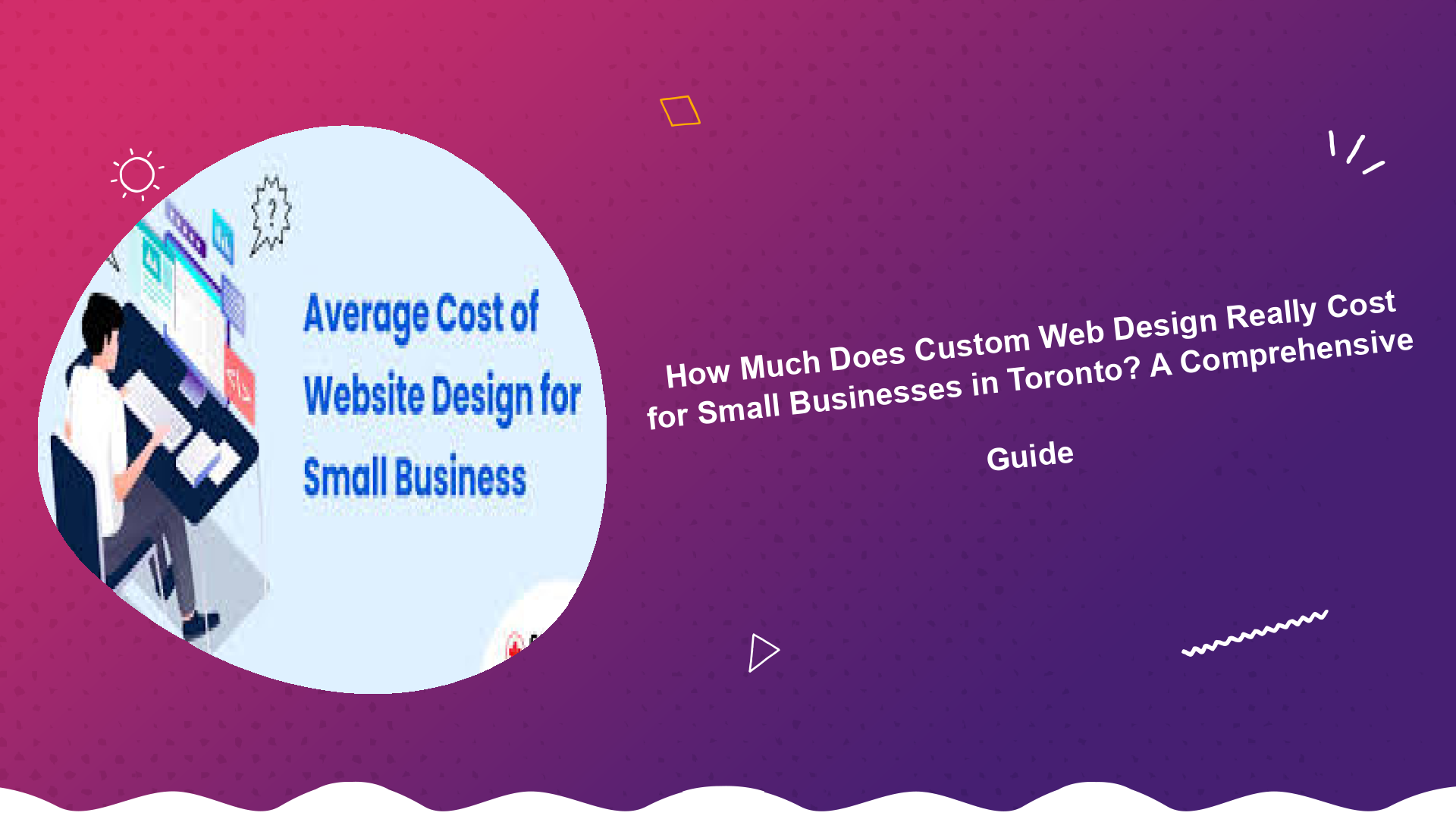
For small businesses in Toronto, navigating the digital landscape is no longer optional—it’s essential. A strong online presence is the bedrock of reaching new customers, establishing credibility, and fostering growth. But when it comes to creating that presence, particularly with a bespoke solution, one question consistently looms large: “How much does custom web design cost for small businesses in Toronto?”
It’s a question without a simple, single answer. Unlike off-the-shelf templates, custom web design offers a unique, tailored solution built specifically to meet your business’s needs, branding, and strategic goals. This bespoke approach means the small business website design pricing can vary significantly. From a minimalist brochure site to a complex e-commerce platform, the investment hinges on a multitude of factors. This comprehensive guide aims to demystify the costs, break down the components, and provide a clear understanding of what to expect when investing in a custom website for your Toronto-based small business.
We’ll explore the key elements that influence the average custom web design price, help you understand how to set a realistic web design budget for startups Toronto, and offer insights into making an informed decision that delivers significant ROI for your venture. Whether you’re a new startup or an established small firm looking to refresh your online identity, understanding the financial commitment involved in custom web design cost small business is the first step towards digital success.
What Exactly is Custom Web Design and Why Does it Matter for Small Businesses?
Before diving into numbers, it’s crucial to understand what custom web design entails. In essence, it’s the process of creating a website from scratch, specifically tailored to your business’s unique requirements, brand identity, and target audience. This is distinct from using pre-made templates or website builders like Squarespace or Wix, which offer quick, but often less flexible, solutions.
The Core Difference: Custom vs. Template-Based Sites
- Uniqueness & Branding: A custom site ensures your online presence is one-of-a-kind, perfectly reflecting your brand’s personality and values. Templates, by nature, are used by many, making it harder to stand out.
- Functionality & Scalability: Custom solutions can incorporate specific features and integrations vital for your operations (e.g., custom CRMs, unique booking systems, advanced calculators). They are also built with future growth in mind, allowing for easier scaling and adaptation.
- Performance & SEO: Custom-coded sites are typically optimized for faster loading speeds and better search engine performance from the ground up, giving you a competitive edge in Toronto’s bustling market.
- Control & Ownership: You have full control over the design, code, and hosting, giving you ultimate flexibility and avoiding vendor lock-in.
While platforms like WordPress offer robust solutions, there’s a significant difference between a basic theme installation and a fully WordPress website cost versus custom design built upon a highly customized theme or framework. For a small business with specific goals, the long-term benefits of a custom approach often outweigh the initial perceived savings of a template.
Factors Influencing the Custom Web Design Cost for Small Businesses in Toronto
The price tag on a custom website isn’t arbitrary; it’s a reflection of the time, expertise, and resources required to bring your vision to life. Several key factors contribute to the overall cost of custom website new business Toronto. Understanding these will help you articulate your needs more clearly to potential designers and budget effectively.
1. Website Complexity and Features
This is arguably the biggest determinant of cost. A simple “brochure” website with a few static pages will naturally cost less than a dynamic site with multiple integrations and complex functionalities.
- Number of Pages: More pages generally mean more content creation, design work, and development time.
- Custom Functionality: Do you need a unique booking system, an interactive map, a member’s area, a job board, or a specific calculator? Each custom feature adds to development time and complexity.
- E-commerce Capabilities: If you plan to sell products or services online, integrating a shopping cart, payment gateways, product databases, and inventory management will significantly impact the price. For a detailed breakdown, you might want to look into the average e-commerce web design cost Toronto.
- Third-Party Integrations: Connecting your website with CRM systems (e.g., Salesforce, HubSpot), email marketing platforms (e.g., Mailchimp), accounting software, or social media feeds requires development effort.
- Database Development: Sites requiring extensive data storage and retrieval systems will be more complex.
2. Design Uniqueness and User Experience (UI/UX)
A truly custom site isn’t just about functionality; it’s about providing an intuitive, engaging, and aesthetically pleasing experience for your users. Good UI/UX design takes time and expertise.
- Custom Graphics & Illustrations: Bespoke visual elements add character and professionalism but require skilled graphic designers.
- Animation & Interactivity: Subtle animations, parallax scrolling, or interactive elements enhance user engagement but increase development effort.
- Responsive Design: Ensuring your site looks and functions perfectly on desktops, tablets, and mobile phones is non-negotiable today, and while standard, advanced responsive behaviors can add complexity.
- User Research & Wireframing: For larger projects, designers might conduct user research, create detailed wireframes, and prototypes to ensure optimal user flow, contributing to the initial design phase costs.
3. Content Creation and SEO
A beautiful website is only effective if it has compelling content and can be found by your target audience. This often involves more than just writing text.
- Copywriting: Professional copywriters craft engaging, SEO-friendly content that resonates with your audience and drives conversions.
- Photography & Videography: High-quality, original visuals make a significant difference. Stock photos are an option, but custom media elevates your brand.
- Search Engine Optimization (SEO): Implementing on-page SEO best practices (keyword research, meta descriptions, alt tags, structured data) during development is crucial. While ongoing SEO is a separate service, foundational SEO should be part of the initial build to help with discoverability for keywords like “how much website costs Toronto.”
4. Development Platform and Technologies
The choice of technology stack can impact the understanding custom web design pricing. While many small businesses opt for robust content management systems (CMS) like WordPress for their flexibility and ease of use, a completely custom-coded solution (e.g., using frameworks like React, Angular, or custom PHP/Python development) will generally be more expensive due to specialized expertise required.
- CMS vs. Custom Framework: A custom WordPress theme will be more cost-effective than a fully custom-built application from the ground up using advanced coding languages, though both fall under “custom web design.”
- Integrations: The complexity of integrating various third-party APIs and services can add to development time.
5. Agency Size and Location
The hourly rates of web design professionals vary. A solo freelancer might offer lower rates than a full-service agency, but agencies often bring a broader range of expertise (designers, developers, SEO specialists, project managers). Toronto, being a major metropolitan area, generally has higher labor costs than smaller cities. This is a crucial aspect when comparing options and looking to get custom website design quote Toronto. A local Toronto web design agency might offer a comprehensive team, while a freelancer might specialize in a particular area.
6. Post-Launch Support and Maintenance
A website is not a “set it and forget it” asset. Ongoing maintenance, security updates, backups, and potential future enhancements are vital for its longevity and performance. Some custom web design packages include a period of free support, while others offer maintenance plans as an add-on service. Always inquire about these options to avoid unexpected costs down the line.
Average Custom Web Design Price Ranges for Small Businesses in Toronto
Given the many variables, providing exact figures is challenging without a specific project scope. However, we can offer general ranges for small business website design pricing in Toronto, categorized by complexity. These are estimates for truly custom-designed and developed sites, not basic template installations.
1. Basic / Brochure Custom Website: $5,000 – $15,000+
This category typically includes:
- 5-10 pages (Home, About, Services, Contact, Blog)
- Custom, professional design reflecting brand identity.
- Responsive design for mobile compatibility.
- Basic contact forms.
- Initial on-page SEO setup.
- Integration with social media.
Ideal for: Small businesses or startups needing a professional online presence to showcase services and provide essential information. This is often the starting point for businesses looking for an affordable web design for small firms that still offers a unique look and feel.
2. Intermediate Custom Website: $15,000 – $35,000+
These websites offer more functionality and a deeper level of customization.
- 10-30 pages.
- More sophisticated custom design and enhanced UI/UX.
- Advanced forms, booking systems, or lead generation tools.
- Integration with third-party tools (e.g., CRM, email marketing).
- Basic e-commerce functionality (e.g., a few products, simple payment integration).
- Content Management System (CMS) training for self-management.
Ideal for: Growing small businesses that need to interact more deeply with customers, manage content frequently, or offer a limited selection of products online. This range is common for businesses requiring a more robust “how much pay for business website Toronto” solution that facilitates operational needs.
3. Advanced Custom Website / E-commerce Platform: $35,000 – $75,000+
This category encompasses highly complex sites with extensive features, often including full-scale e-commerce or unique web applications.
- 30+ pages, dynamic content.
- Highly customized and unique design with advanced animations/interactions.
- Full-featured e-commerce (product variations, inventory management, user accounts, secure payment gateways).
- Membership portals, advanced user management.
- Integration with multiple business systems (ERP, POS, CRM).
- Custom database development.
- Ongoing strategic consultation.
Ideal for: Established small businesses with complex operational needs, a large product catalog, or those requiring a distinctive online platform to drive significant revenue or manage intricate customer interactions. This is where the average e-commerce web design cost Toronto becomes a significant investment, but with the potential for substantial returns.
It’s important to remember these are broad estimates. A detailed discussion about your specific needs and goals is essential to determine the precise pricing guide custom website small business. When seeking out an “affordable web design Toronto” solution, always ensure the quotes you receive clearly outline what’s included to avoid hidden costs.
Breaking Down Your Investment: What You Get for Your Money
When you pay for custom web design, you’re not just paying for lines of code or pretty pictures. You’re investing in a holistic solution designed to achieve your business objectives. The custom web design cost small business covers a range of expert services:
- Discovery & Strategy: Understanding your business, target audience, competitors, and goals. This phase is critical for laying a solid foundation for the entire project.
- Information Architecture & Wireframing: Planning the structure and flow of your website to ensure an intuitive user experience.
- User Interface (UI) Design: Creating the visual elements—layouts, typography, color schemes, imagery—that define your site’s look and feel.
- User Experience (UX) Design: Focusing on how users interact with your site, ensuring it’s easy to navigate, efficient, and enjoyable to use.
- Front-end Development: Bringing the design to life with code (HTML, CSS, JavaScript) that users interact with directly.
- Back-end Development: Building the server-side logic, databases, and integrations that power your site’s functionality.
- Content Integration: Populating the site with your text, images, and videos, often with an eye towards SEO.
- Quality Assurance & Testing: Rigorous testing across different browsers and devices to ensure functionality, responsiveness, and bug-free performance.
- Project Management: Overseeing the entire process, ensuring deadlines are met and communication is clear.
- Training & Handover: Teaching you or your team how to manage and update your new website.
Each of these stages is vital, and the expertise applied at each step directly contributes to the overall web design cost and the quality of the final product. Understanding the web design process small businesses Toronto typically go through can further clarify where your investment is allocated.
How to Get a Transparent Custom Website Design Toronto Quote
To avoid sticker shock and ensure you’re comparing apples to apples, it’s essential to approach the quoting process strategically. When you’re ready to get custom website design quote Toronto, here’s what to keep in mind:
- Be Specific About Your Needs: The more detailed your project brief, the more accurate the quote will be. Outline your goals, target audience, desired features, content strategy, and any existing brand guidelines.
- Ask for a Detailed Breakdown: A good quote won’t just be a single figure. It should itemize costs for different phases (design, development, content, SEO setup, etc.) and specific features.
- Inquire About Inclusions & Exclusions: Clarify what’s included (e.g., number of revisions, stock photo licenses, CMS training) and what’s not (e.g., domain registration, hosting, ongoing maintenance, advanced SEO).
- Understand the Payment Schedule: Most agencies or freelancers require an upfront deposit, with subsequent payments tied to project milestones.
- Discuss Timelines: A project timeline can impact cost, especially if you have an urgent deadline.
- Ask About Ongoing Costs: Don’t forget to budget for hosting, domain renewal, SSL certificates, and potential maintenance plans. These are essential for the long-term health of your site.
By asking these questions, you can gain a clearer perspective on the “what is reasonable web design cost Toronto” for your specific project and ensure there are no surprises.
Budgeting for Your Small Business Website: Practical Tips for Toronto Startups
Setting a realistic web design budget for startups Toronto can be daunting, especially when resources are tight. Here are some strategies to help you manage your investment effectively:
- Prioritize Core Features: Identify the “must-have” features versus the “nice-to-have” ones. You can always build out additional functionality in phases as your business grows and your budget allows. This phased approach can make investing custom website for startup cost more manageable.
- Leverage Existing Content: If you can provide well-organized, high-quality text, images, or videos ready, this can reduce content creation costs.
- Consider Your ROI: View your website as an investment, not an expense. How will this website help you attract customers, streamline operations, and increase revenue? Calculate the potential return on investment over time.
- Explore Payment Plans: Some web design agencies offer payment plans, which can help spread the how much website costs Toronto over several months.
- Balance Quality and Cost: While it’s tempting to go for the cheapest option, remember that quality often correlates with cost. A poorly designed or developed website can end up costing you more in lost business, security issues, and future redesigns. Strive for the best value rather than just the lowest price, particularly when evaluating compare web design prices small business options.
An informative article from the BDC (Business Development Bank of Canada) emphasizes that a website is a critical business asset, not just a marketing tool. Budgeting wisely ensures you build an asset that truly serves your business goals.
Why Investing in Custom Web Design Pays Off for Toronto Small Businesses
While the initial custom web design cost small business might seem substantial, the long-term benefits and return on investment are often considerable.
- Stronger Brand Identity: A unique website reinforces your brand, making you memorable and professional in a competitive market.
- Improved User Experience: A site designed with your target audience in mind leads to higher engagement, longer visit durations, and better conversion rates.
- Better SEO Performance: Custom sites can be optimized for search engines more effectively, helping your Toronto business rank higher for relevant keywords and attract organic traffic. This is crucial for discovering clients searching for “web design budget for startups Toronto” or similar terms.
- Scalability & Flexibility: As your business evolves, a custom site can grow with you, incorporating new features and functionalities without needing a complete overhaul.
- Competitive Advantage: Standing out from competitors with a superior online presence can significantly impact your market share.
- Enhanced Security: Custom solutions often allow for more robust security measures tailored to your specific needs, protecting your data and your customers’.
- Full Ownership & Control: You own the code and the design, giving you complete freedom for future modifications and hosting choices.
This strategic investment is not merely about having an online presence, but about cultivating a powerful digital asset that actively contributes to your business’s bottom line and future growth. For small businesses in Toronto, investing in a custom website is investing in a vital component of your success story.
The Custom Web Design Process for Small Businesses in Toronto
Understanding the typical journey of a custom web design project can help demystify the investment and prepare you for collaboration with your chosen agency or freelancer. While processes can vary slightly, here’s a general outline of the web design process small businesses Toronto can expect:
- Discovery & Strategy: This initial phase involves in-depth discussions to understand your business, goals, target audience, brand identity, and project requirements. It’s where the vision for your custom site is defined. This helps in understanding the true cost of custom website new business Toronto.
- Planning & Information Architecture: Based on the discovery, the team will map out the website’s structure, user flow, and content organization. This often includes creating sitemaps and wireframes (skeletal blueprints) to visualize the layout.
- Design (UI/UX): Here, the visual aesthetics come to life. Designers create mockups and prototypes, focusing on brand consistency, user experience, and visual appeal. You’ll typically review and provide feedback during this stage.
- Content Creation & Integration: While design is happening, content (text, images, videos) is either provided by you or created by the design team. This content is then integrated into the designed layouts.
- Development: This is where the website is coded. Front-end developers build what users see, and back-end developers create the underlying functionality, databases, and integrations. This stage involves significant technical expertise, directly impacting the average custom web design price.
- Testing & Quality Assurance: The developed website undergoes rigorous testing to check for bugs, functionality across devices and browsers, loading speed, and overall user experience.
- Launch: Once everything is approved, the website is deployed to your live server, making it accessible to the public.
- Post-Launch Support & Maintenance: After launch, many agencies offer support packages for updates, security, backups, and minor tweaks. This ongoing service is vital for the health and performance of your custom website.
Each step requires specialized skills, and the time allocated to each phase directly influences the overall web design cost.
Tips for Affordable Custom Web Design for Small Firms in Toronto
While “custom” often implies a higher price tag, there are ways for small businesses in Toronto to achieve a bespoke online presence without completely breaking the bank. The goal is to find affordable web design for small firms that still delivers quality.
- Start Lean and Scale: Prioritize essential features for your initial launch and plan for future phases. A minimum viable product (MVP) approach can get you online quicker and at a lower initial cost. This helps manage the web design budget for startups Toronto effectively.
- Provide Ready Content: If you can provide well-organized, high-quality text, images, and videos, you can reduce the content creation costs from your designer.
- Clear Communication: Being clear and concise about your needs and providing prompt feedback can reduce revision cycles, saving time and money.
- Research and Compare: Get multiple quotes, but don’t just compare prices. Compare portfolios, services included, and communication styles. An article by Shopify on small business website costs also emphasizes the importance of evaluating various options.
- Choose a Niche Specialist: Some agencies or freelancers specialize in specific industries or types of businesses, which can sometimes lead to more efficient development if they already understand your needs.
- Long-Term Partnership: Building a relationship with a reliable web design partner can lead to better rates for ongoing work and future projects.
- Focus on ROI: Always frame your investment in terms of return. Even a higher initial investment can be “affordable” if it delivers significantly more leads, sales, or efficiency.
Remember, budget friendly custom web design Toronto doesn’t mean compromising on quality entirely. It means making smart choices about features, content, and partnerships to maximize value.
Beyond the Launch: Ongoing Costs and Maintenance
The custom web design cost small business isn’t a one-time payment. Like any valuable asset, your website requires ongoing care to remain effective, secure, and up-to-date. Factor these into your overall web design budget for startups Toronto:
- Domain Name Registration: An annual fee (typically $15-$50) to keep your web address.
- Website Hosting: The service that stores your website files and makes them accessible online. Costs vary widely from $10-$100+ per month depending on traffic, storage, and performance needs.
- SSL Certificate: Essential for website security (HTTPS) and SEO. Many hosting providers include this, but some might charge a separate annual fee.
- Software Licenses: If your custom site uses premium plugins, themes, or software, there might be annual licensing fees.
- Maintenance & Support Plans: Ongoing updates, security monitoring, backups, performance checks, and minor content updates are crucial. These plans can range from $50 to several hundred dollars per month, depending on the complexity of your site and the level of service.
- Content Updates & SEO: Regularly adding fresh, optimized content and conducting ongoing SEO efforts are vital for maintaining and improving your search engine rankings and attracting new visitors.
- Marketing & Advertising: To truly leverage your new website, consider budget for digital marketing efforts like PPC, social media marketing, and email campaigns.
Neglecting these ongoing costs can lead to security vulnerabilities, outdated content, poor performance, and ultimately, a diminished return on your initial investment in custom web design cost small business.
Conclusion: Making an Informed Investment in Your Toronto Small Business’s Online Future
The question of “how much does custom web design cost for small businesses in Toronto?” is multifaceted, with answers ranging from a few thousand to tens of thousands of dollars. The true cost is a direct reflection of your specific business needs, the complexity of desired features, the quality of design, and the level of expertise required to build a site that truly stands out in Toronto’s competitive market.
For small businesses and startups, viewing a custom website as a strategic investment rather than a mere expense is crucial. It’s an investment in your brand identity, customer experience, marketing capabilities, and long-term growth. By understanding the factors that influence pricing, clearly defining your project scope, and partnering with experienced professionals, you can ensure your investment delivers maximum value.
Whether you’re looking for budget friendly custom web design Toronto solutions or aiming for a cutting-edge digital platform, the key is thorough research, clear communication, and a focus on long-term goals. Don’t shy away from asking detailed questions about the `pricing guide custom website small business` offers. A well-designed, custom website will not only help your Toronto business thrive online but also lay a strong foundation for future success in the ever-evolving digital landscape.
Ready to explore options for your business? Get a custom website design quote Toronto specialists can provide, tailored to your unique vision and budget.