
Unlock Higher Google Rankings with Responsive Web Design in Toronto
In today’s mobile-first world, having a responsive web design is no longer optional; it’s a necessity, especially if you want to climb the search engine ranks in Toronto. Google prioritizes websites that offer a seamless user experience across all devices, from desktops to smartphones. A responsive web design adapts to various screen sizes, ensuring your content is easily accessible and visually appealing regardless of how users are accessing it. If you’re looking to improve website ranking Toronto, investing in responsive web design is one of the most effective strategies.
This comprehensive guide will explore the critical role of responsive web design Toronto SEO and how it directly impacts your Google ranking. We’ll delve into the benefits, best practices, and how to find the right responsive website design services Toronto for your business.
What is Responsive Web Design?
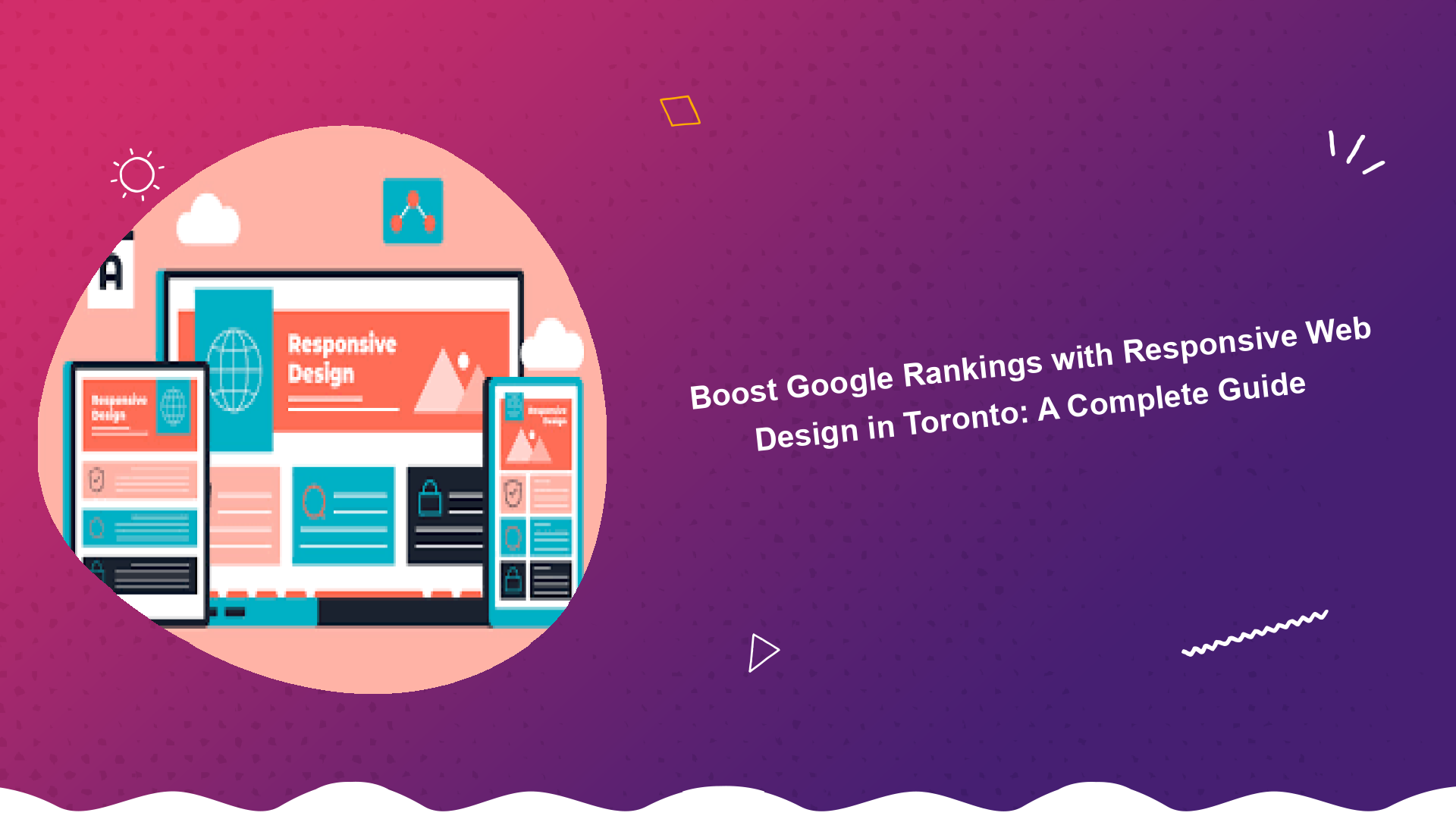
Responsive web design is an approach to web design that aims to make web pages render well on a variety of devices and window or screen sizes. In simple terms, it means your website automatically adjusts its layout, images, and content to fit the screen of the device being used. This ensures optimal viewing and interaction for users, regardless of whether they are on a desktop, laptop, tablet, or smartphone. This is why it’s directly related to Toronto web design for Google.
Why is Responsive Web Design Crucial for SEO in Toronto?
Here are several reasons why responsive web design is paramount for boosting your Google rankings:
- Mobile-First Indexing: Google predominantly uses the mobile version of your website for indexing and ranking. If your site isn’t mobile-friendly website design Toronto, you’re at a significant disadvantage.
- Improved User Experience (UX): A positive UX is a major ranking factor. Responsive web design ensures easy navigation, readability, and overall engagement, leading to lower bounce rates and increased dwell time – both positive signals for Google.
- Reduced Bounce Rate: When users can easily navigate and interact with your website on their mobile devices, they are less likely to leave quickly (bounce). A lower bounce rate signals to Google that your website provides valuable content and is a good result for search queries.
- Increased Dwell Time: Dwell time refers to the amount of time users spend on your website after clicking on a search result. Responsive web design encourages users to stay longer, exploring your content and engaging with your brand.
- Single URL Structure: Responsive web design uses a single URL for both desktop and mobile versions, making it easier for Google to crawl, index, and understand your website’s content. This avoids the confusion and potential SEO issues associated with separate mobile sites (e.g., m.example.com).
- Faster Page Load Speed: A responsive web design can contribute to faster page load speeds, which are a critical ranking factor. Optimizing images and content for different devices can significantly improve loading times. You can further improve speed with excellent Toronto website hosting benefits, detailed here: Toronto Website Hosting.
- Avoids Duplicate Content Issues: Having separate desktop and mobile sites can create duplicate content issues, which can negatively impact your SEO. Responsive web design eliminates this problem by using a single, adaptable code base.
The Benefits of Responsive Web Design: Beyond SEO
While SEO is a major advantage, responsive web design offers numerous other benefits:
- Wider Audience Reach: You cater to users on all devices, expanding your potential customer base.
- Improved Brand Consistency: Maintaining a consistent brand experience across all platforms strengthens your brand identity.
- Cost-Effective: Managing one website is more efficient and cost-effective than maintaining separate desktop and mobile sites. Consider also the value of affordable toronto web design services for businesses to help create your brand identity: Find a Toronto Web Designer.
- Future-Proofing: As new devices emerge, your responsive web design will adapt, ensuring your website remains accessible and user-friendly.
Best Practices for Responsive Web Design for SEO in Toronto
To maximize the SEO benefits of responsive web design, follow these best practices:
- Prioritize Mobile-First Design: Start by designing for mobile devices and then adapt the design for larger screens. This ensures a seamless mobile experience, which is crucial for Google’s mobile-first indexing.
- Use a Responsive Framework: Consider using a responsive framework like Bootstrap or Foundation to streamline the design process and ensure consistency across devices.
- Optimize Images: Compress images to reduce file sizes without sacrificing quality. Use responsive images that adapt to different screen resolutions.
- Implement Flexible Grids: Use flexible grids that adjust to different screen sizes, ensuring your content remains well-organized and readable.
- Use Media Queries: Use media queries to target specific devices and screen sizes, allowing you to customize the design and layout for optimal viewing.
- Test Thoroughly: Test your website on a variety of devices and browsers to ensure it renders correctly and provides a consistent user experience.
- Ensure Fast Loading Speed: Optimize your website’s code, images, and server configuration to ensure fast loading speeds.
Finding the Right Responsive Web Design Agency in Toronto
Choosing the right responsive website design services Toronto is critical for success. Look for an agency with a proven track record, a strong understanding of SEO, and a commitment to providing excellent customer service. Explore the options available and see which companies will appear on the top 10 Toronto web design companies 2025:Top Toronto Web Designers.
Here are some factors to consider when selecting a Toronto web design agency:
- Portfolio: Review the agency’s portfolio to see examples of their responsive web design work.
- SEO Expertise: Ensure the agency has a strong understanding of SEO principles and can integrate them into the design process.
- Communication: Choose an agency that communicates effectively and keeps you informed throughout the project.
- Pricing: Get quotes from multiple agencies and compare their pricing and services. Remember to prioritize value over cost. You can learn more about price ranges with a toronto web design cost comparison article:Toronto Web Design Costs.
- Reviews and Testimonials: Read reviews and testimonials from previous clients to get an idea of the agency’s reputation.
Conclusion: Embrace Responsive Web Design for SEO Success in Toronto
In conclusion, responsive web design is an essential element of any successful SEO strategy in Toronto. By providing a seamless user experience across all devices, you can improve your Google rankings, attract more visitors, and grow your business. Invest in responsive web design and unlock the full potential of your online presence. And don’t forget the benefit of integrating wordpress website design toronto capabilities, to easily manage and edit your website content: WordPress Website Design Toronto.
Make sure your website is optimized for today’s mobile-driven world and prepare for the ever-evolving landscape of search engine optimization. Ignoring responsive web design is not an option if you want to stay competitive in the Toronto market and beyond. Learn more about the power of design in our general Web Design section: Web Design.
Invest in responsive web design today and reap the rewards of higher Google rankings, increased traffic, and a stronger online presence. Remember to consider the comprehensive benefits that come with a well-designed responsive website.